Have I Been Flocked: What The Search Database Promises (And Where It Misses The Mark)
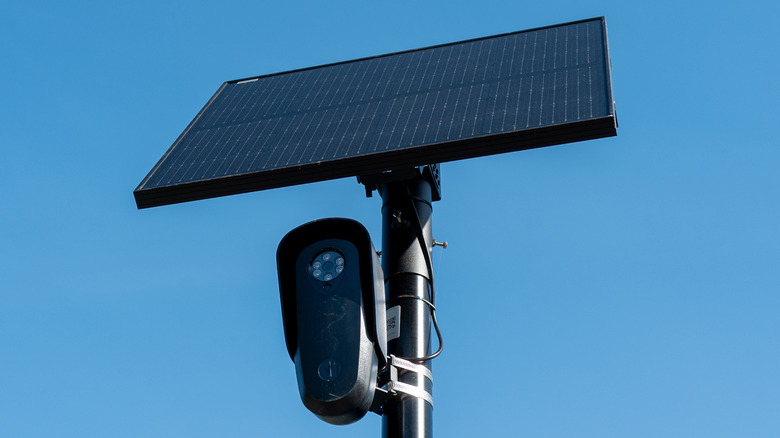
Surveillance is always a buzz-worthy topic, but the mid-2020s have seen it dominate mainstream conversation more than ever. One of the main sources of controversy is Flock Security’s automated license plate readers (ALPRs). Despite their name, Flock cameras capture far more than license plate numbers and collect all kinds of information that law enforcement can use as they see fit. Naturally, the general public hasn’t taken kindly to this level of snooping, and one example of that is the Have I Been Flocked? database, which offers some crucial information about what Flock’s users are up to — albeit with some unfortunate missing pieces.
Have I Been Flocked? aims to inform drivers about whether Flock customers — including, but not limited to, law enforcement — have searched for their plate at some point. This information comes from records released by local governments to the public, known as audit logs, that are typically obtained via Freedom of Information Act requests. Unfortunately, while it has a noble goal, the site’s database is far from comprehensive. Flock doesn’t make the totality of its records available to the public, for one, nor are government bodies in the habit of providing full access to data. Thus, the data is quite incomplete. As of publication, 4,682,721 plates have been identified in the known 238,348,371 Flock searches, with these numbers continuing to climb.
If you’re concerned you’ve been Flocked, but the aforementioned database doesn’t have any information to share, don’t give up your search just yet. Have I Been Flocked? is constantly being updated, just like other public websites dedicated to holding the company accountable.
Other ways the public is keeping tabs on Flock
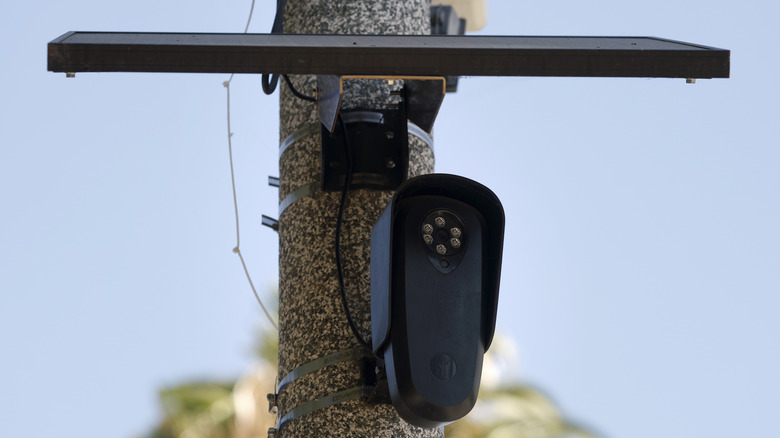
Have I Been Flocked? is far from the only initiative trying to keep track of Flock and its presence in Americans’ lives. DeFlock is a project to map Flock ALPRs across the United States, and has identified and located over 126,000 cameras at the time of writing. FlockHopper is similar, and even offers a tool that lets you map your daily commute and see how many ALPRs from Flock and other companies you encounter regularly. Eyes on Flock is a valuable resource, too, aggregating data from Flock’s Transparency Portal in an easy-to-read format.
All of these sites have been set up by private individuals aiming to hold the company accountable and spread awareness of this surveillance network, and sustained by public engagement. Flock Security does have its Flock Transparency Portal, but it isn’t comprehensive — nor is it entirely transparent either. Flock relies on its customers (agencies or governments) to set the portal up, so you’ll have to go through local municipalities and law enforcement agencies to access the data — that is, assuming you have access to a Transparency Portal in the first place. Even if you do, it’s not uncommon for portal data to have been redacted.
Resistance to Flock cameras is already showing results

More and more Americans are pushing back against Flock’s cameras, tracking their presence and activity, and calling for their removal. Some have even taken to attacking and vandalizing these cameras on sight. Citizens have come out in droves to local government meetings and events to voice their opposition to Flock expansion, citing concerns about privacy, abuse of power, and a lack of transparency surrounding the cameras’ use, among others. Organizations like the American Civil Liberties Union are pushing for legislation to rein in Flock cameras, urging those concerned about Flock and ALPRs in general to speak up.
Many cities across the U.S. have fought back against Flock cameras, and we’re seeing more and more distancing themselves from the cameras in some form or another. Some have outright canceled their Flock contracts, others have rejected contract offers before camera installation, and a few have at least deactivated their cameras for the time being. For some, like Knox County, Tennessee Mayor Glenn Jacobs (via NewsNation), the issue is the perceived overreach of the cameras’ data collection. Meanwhile, Mayor Jake Woodford of Appleton, Wisconsin has stated that the public’s negative perception of Flock and doubts about the camera system’s integrity are reason enough to abandon the initiative (via Newsweek).
No matter where you stand on Flock cameras, there’s no denying how polarizing the subject has become. It stands to reason, then, that Have I Been Flocked?, for all its drawbacks, will only become more popular as public discourse around the cameras and their data collection further intensifies.
