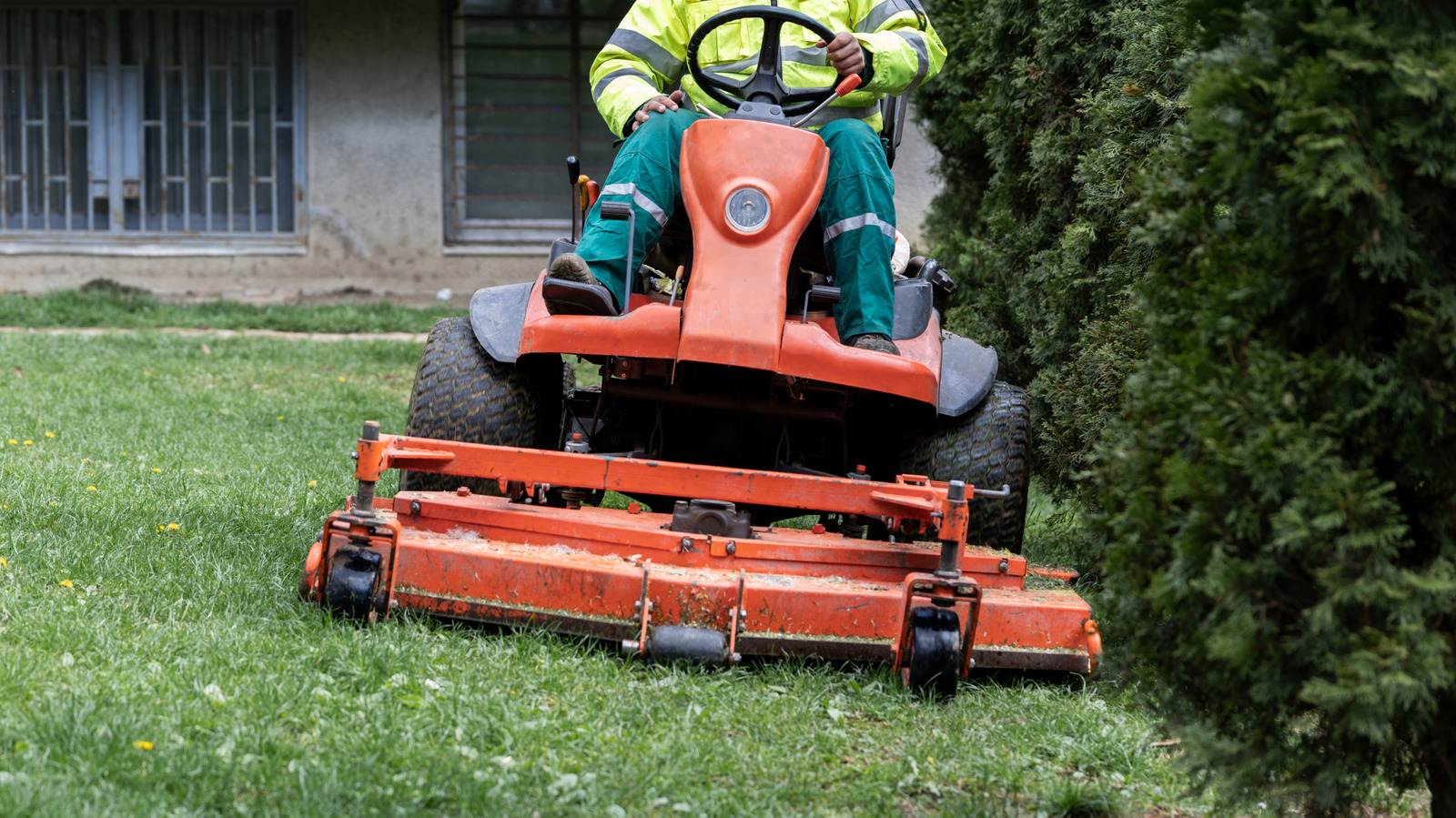
Your Mower Deck Wheels May Need Changing
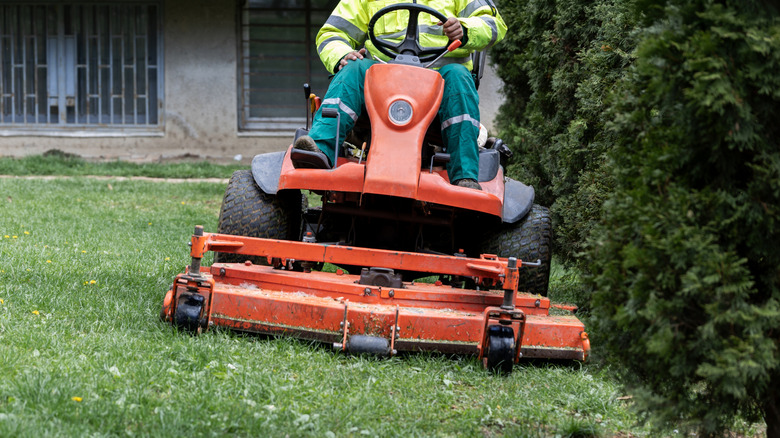
On a riding lawn mower or lawn tractor, the front and back sets of wheels typically get all of the attention. The condition of the tires and rims should be routinely checked for damage and repaired or replaced as needed. Meanwhile, the smaller, seemingly less important wheels on the mower deck itself can be overlooked, even though they are just as important to the mower’s performance and prone to damage over time. In fact, there are several signs they need to be changed — and it’s in your best interest to heed those warnings before it’s too late.
The signs of wear are pretty obvious: squeaking, difficulty moving freely, and excessive give. Squeaking can be remedied with a bit of lawn mower wheel grease, though lack of movement could mean cleaning or replacement. With any stuck grass and dirt removed, if it still doesn’t move freely, it should be swapped out. Otherwise, the stuck wheel could drag along the ground and leave a dug-out trench behind as you mow. Meanwhile, a wobbly wheel can also offset the deck, both producing an uneven, unsightly lawn cut and exposing the deck to damage. Worse yet, stuck or warped wheels can put stress on the shaft or bolt they’re mounted with, damaging them and likely requiring their replacement, too.
Neglecting deck wheels is one of many bad habits to stop if you have a riding mower. Though small and innocuous, these wheels serve an important purpose while mowing.
The importance of deck wheels
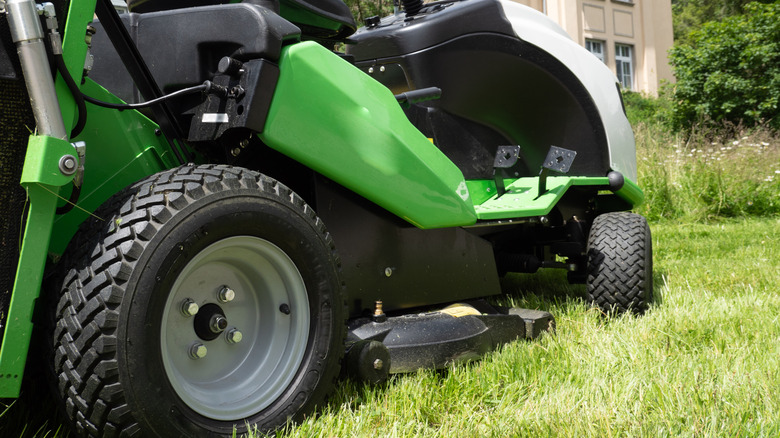
While most don’t give mower deck wheels a second thought, they’re actually vital to the safe use of a riding lawn mower or lawn tractor. These wheels aren’t designed to support the weight of the entire mower, but rather act as supplementary supports for the deck alone. The idea is that when the mower goes over rough, uneven terrain, these wheels allow the deck to adjust accordingly. This way, the deck doesn’t drive itself onto the ground, scraping it and scalping the lawn down to soil level. While replacing a mower deck is typically cheaper than buying a new mower, you still don’t want to wreck your deck with this kind of misuse.
Additionally, some lawn tractor models require these wheels to remain intact and adjustable to ensure the deck is prepared for current lawn conditions. Often, these wheels are each connected to an adjustable L-shaped arm shaft that can raise or lower them to different grass heights. With the deck adjusted as needed, the wheels should be set so that they’re a fraction of an inch, around 1/2 or 1/4 of an inch, off the ground. This way, once you drive over uneven ground, they reach it before the deck and support it while the blade spins at the right height.
With that in mind, the importance of operational mower deck wheels is apparent. Fortunately, if yours seem to be on their way out, the wheel replacement process is relatively simple and doesn’t require many tools.
How to replace worn out mower deck wheels
Regardless of whether your deck wheels are made of plastic or rubber, they’ll wear out over time. Given their importance in keeping your mower safe and your lawn looking good, knowing how to replace them when the time comes is essential. Every mower is a little different, so the exact replacement steps may vary by model, but these are the broad strokes of what deck wheel replacement should look like.
- Power down the mower and apply the parking brake.
- Using a socket or wrench, remove the nut at the center of the wheel that’s holding it onto the mower.
- Discard the old wheel and slide the new one into place, replacing and tightening the nut.
- Give the new wheels a few test spins by hand and double check that they’re at the desired height for your needs.
- Mow the lawn as normal and check all of the wheels once done for any excessive looseness.
During the wheel assembly deconstruction process, it’s worth inspecting the bolts or shafts holding the wheels, too. If these are worn or damaged severely, they should be replaced. For the easiest access, this will require lifting the mower with a jack, pulling out the old ones, and slotting in the new ones. Stripped or otherwise damaged nuts should be replaced as well. Otherwise, you risk a poor connection and premature wear on the new wheel.
