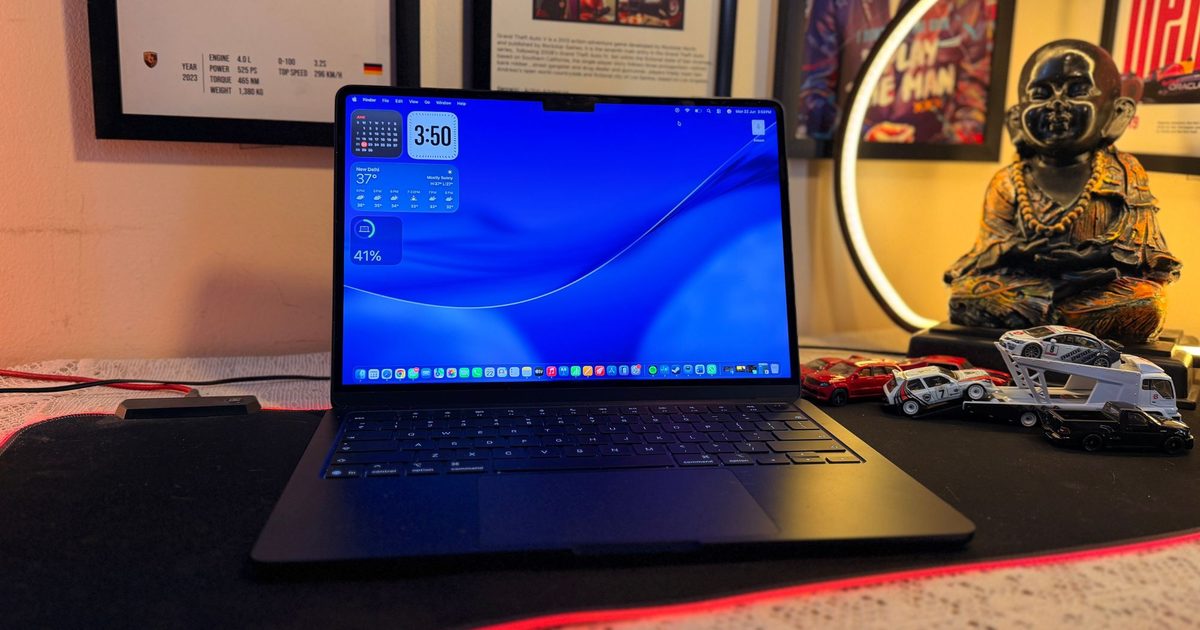
The MacBook Air is running in short supply, despite a price hike
For months, Apple seemed better protected from the memory crisis than most laptop makers. It had long-term supplier agreements, enormous purchasing power, and enough margin to absorb rising component costs. The situation has now caught up with its most popular laptop.
According to Bloomberg’s Mark Gurman, MacBook Air availability has tightened considerably across Apple’s retail network. Several configurations are showing delivery estimates stretching into late August, while some customized models may not arrive until September.
The shortage comes only weeks after Apple raised the price of the M5 MacBook Air. The 13-inch model launched at $1,099 in March before jumping to $1,299 in June. Buyers are now being asked to spend $200 more and may still have to wait several weeks for the model they actually want.
Apple is putting the MacBook Pro in front of students
Apple is already changing its sales strategy in response. Bloomberg reports that the company delayed its back-to-school campaign and is giving the entry-level 14-inch MacBook Pro more attention across its stores and marketing material.

Some promotions even warn that the MacBook Air is “subject to availability.” Apple rarely steers students away from the Air, since it is lighter, cheaper, and powerful enough for most coursework.
The MacBook Pro offers a better display, more ports, and stronger sustained performance, but it also costs considerably more. Apple may be hoping to clear some of that inventory before an expected M6 refresh arrives later this year.
The situation could get worse from here
The memory crunch initially hurt Mac mini and Mac Studio availability. Now that it has reached the MacBook Air, it shows just how much worse the pressure is getting across Apple’s supply chain. Samsung, one of the three major suppliers of RAM, expects memory shortages to become even worse in 2027 and persist through 2028 as AI data centers lock up more production. If RAM and storage prices continue climbing, Apple could eventually announce another round of increases.
Its new Upgrade leasing program makes more sense under those conditions. Customers can split the cost of a Mac into monthly payments, then return it, upgrade, or pay the remaining amount to keep it. The program does not make a $1,299 MacBook Air any cheaper. It simply gives Apple a softer way to sell increasingly expensive hardware.