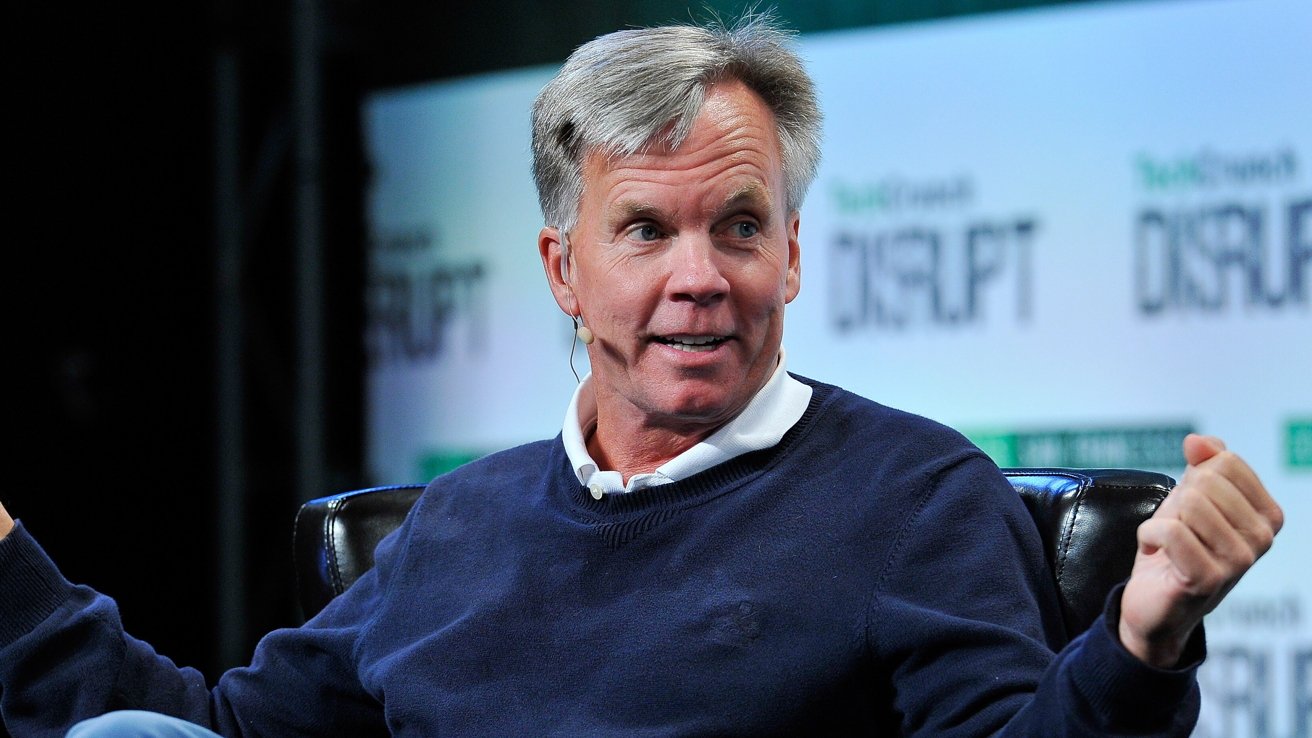
Ron Johnson recounts leaving Apple & how Steve Jobs reacted
Even though Steve Jobs could be demanding, Ron Johnson says he still managed to make Apple Stores “the most productive in the world.”
Ron Johnson joined Apple in 2000 and served as the company’s head of retail until 2011. During his time at Apple, Johnson says he employed unique strategies and helped make Apple Store locations the success they are today.
Speaking to WWD, Johnson also detailed his experiences working with Steve Jobs, Apple’s co-founder and CEO at the time. Jobs often needed convincing, and Johnson periodically experienced pushback for his ideas.
Ron Johnson recounts that, for instance, Steve Jobs hated the idea of having retail locations in malls. Jobs apparently said malls were “full of crappy stores,” and absolutely hated stores with columns. Johnson eventually had to move a few retail locations to appease Jobs.
Even though Jobs was demanding, he recognized Johnson’s expertise in the retail industry. Over the years, the two built a lasting friendship and partnership.
In the wide-ranging interview which covered far more than just Apple, Johnson also recounts his most significant accomplishments, including Apple’s iconic cube-shaped Fifth Avenue store in New York.
Beating records in a glass cube
Johnson explained that for an Apple Store to become profitable, it needed to hit $15 million in volume. On its first night, the New York store generated $1 million in sales and made $350 million in a single year.
The stores routinely surpassed these figures. Every Apple Store location hit around $50 million annually by the time he left Apple in 2011.
“The stores were the most productive in the world, but it didn’t happen overnight,” he said.
“It took time to get there,” Johnson continued, “There was a lot of refinement, but we never gave up on our vision.”
That vision included a unique take on retail locations, which meant ensuring that customers could quickly learn about the products they intended to purchase.
In an era of poorly-maintained super-stores like CompUSA and Circuit City, and smaller venues like Apple Specialists who often didn’t have demo units, customers had a vastly improved experience at Apple Retail. In the new locations, those customers didn’t just get to see a new Mac or iPod; they were able to find out everything they could do with a new device, how it worked with existing accessories like cameras, printers, and so on.
Apple wanted them to know how they could use a Mac to burn CDs, upload and edit photos, and more. That’s why Apple retail locations have a Genius Bar.
Johnson says that Apple Store employees “[tried] to understand what you came to the store for, and solve that for you through a new product or help.”
Apple Stores were built around that idea, and Johnson had the freedom to create his vision and to pick the team who would make it happen. Still, any stores with columns had to be approved by Steve Jobs personally.
Johnson recounted how he informed Steve Jobs of his decision to leave Apple. Jobs was supportive, acknowledging Johnson’s love for the retail industry.
However, Johnson planned to leave Apple during a particularly difficult time for the company in 2011. Jobs had just found out that he only had six months to live.
Out of respect, Ron Johnson agreed to stay with Apple until Steve Jobs passed away. Johnson ultimately left Apple for JCPenney and eventually became CEO of the company, but his accomplishments at Apple have left a lasting mark.
Ron Johnson’s new book, written together with Zander Nethercutt, is set to debut on September 22. It is called “Shop Different: How Retail Revealed Apple’s Genius.”
