Is Gen Z Bringing Back Dumb Phones?

According to a 2024 Pew Research survey, almost half of teenagers said they’re online almost all the time. Gen Alpha, much like Gen Z, will grow up inside the internet. While most Millennials spent some portion of their childhood without the internet and social media, younger generations have never known a world without it. But there’s been a cultural shift, as Gen Z is leaving social media in large numbers and helping to shape a trend of getting offline.
Gen Z has become increasingly aware that their screen time is a problem and has fueled a large part of a wider trend: digital detoxing, where people are trying to spend more time offline rather than living in the infinite scroll hamster wheel that has become emblematic of the smartphone era. Dumb phones are playing a key part in that, and though the market is niche, it’s expected to grow. According to a report from Research and Markets, the feature-phone market will grow from $39.11 billion in 2025 to $49.66 billion by 2030.
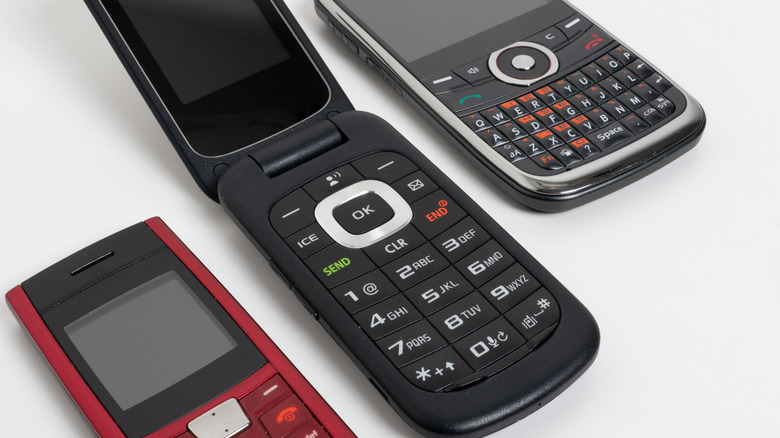
Social media trends (ironically) have sparked interest in simpler phones, such as the Bring Back Blackberry petition and the hashtag #bringbackflipphones on TikTok. Light, the company behind the Light Phone, told CNN it has over 100,000 users across its three generations of models. Punkt, the Swiss company that makes tactile, minimalist phones like the MP02 4G, also told the outlet it sells 50,000 phones across its catalog every year. HMD, the company that currently licenses the Nokia brand, has revived the venerable Y2K-era Nokia 3210. The company told CNN that between 2022 and 2023, sales for its flip phones doubled, which it later attributed to the trending bringbackflipphones hashtag on TikTok.
The rise of Newtro culture in the age of the attention economy
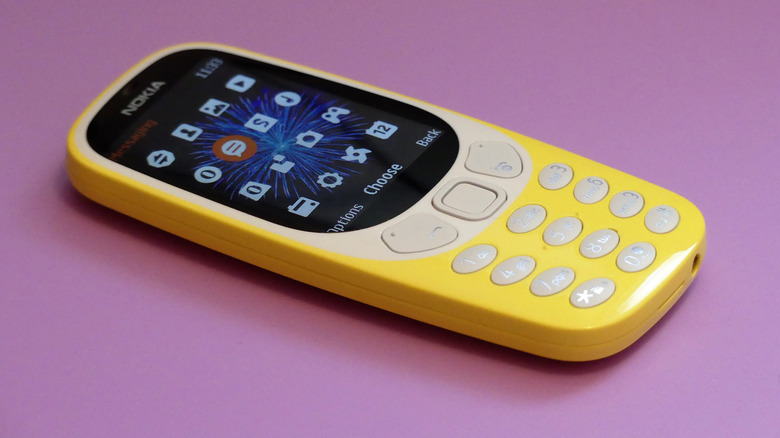
Interest in dumb phones among Gen Z is part of a retro tech trend that has been shaped by a generation of digital natives. I recently wrote about the new minimalist flip phone that Gen Z is going to love, the Commodore Callback 8020, a dumb phone that evokes the analog feeling and Y2K aesthetic that many Gen Z users are yearning for –- harkening back to a time when technology was more novel and didn’t come at the expense of human connection or psychological well-being.
This extends beyond phones: Gen Z is also buying up old iPods and bringing back wired headphones, and becoming a bigger part of the vinyl and record player resurgence. Cassette tapes and Sony’s Walkman are seeing a revival, while film photography and industry stalwarts like Kodak and Polaroid are set to make a comeback. Y2K aesthetics are at the forefront of fashion, thanks to a renewed interest from Gen Z, and have Millennials emptying out their closets. This is all part of a larger trend, collectively known as “newtro,” that has roots in South Korea but has spilled over into the Western world. Newtro culture has become something of a counterculture to the digital status quo.
Beneath the surface, there’s more to this than just a lifestyle trend –- it’s about reclaiming intention in the age of the attention economy. There’s nothing nostalgic about any of this for Gen Z, because they didn’t live it. Instead, they’re finding ways to break free from data harvesting and hyper-curated algorithms and get off social media platforms that relentlessly monetize attention and engagement and are increasingly being found to endanger younger audiences.
The Golden Age of the internet is over
In the age of AI and the social media-fication of every facet of the web, the internet’s golden age has long been over. Google itself may have put the last nail in the coffin when it announced it was rolling out the biggest overhaul of its search engine in 25 years, seemingly conceding that the search model we’ve known for nearly three decades is ending thanks to AI. The search giant’s ever-present, classic search box is one of the last remnants of an internet that many Gen Zers weren’t even alive to experience.
Many Millennials whose childhoods largely preceded the web can remember an internet that felt novel; an internet that fueled connection, discovery, and creativity, rather than replacing it. Younger generations are likely experiencing a sense of anemoia for the early 2000s, a time they never knew, and the digital minimalism that came with that time. In a way, the shift back to analog and dumb phones is a way for them to experience things without the always-online lifestyle that they’ve known.
While younger adults in the Gen Z crowd may account for the majority of dumb phone users, other groups like concerned parents are looking to get away from smartphones and connected devices for their children, as it becomes clearer that social media is designed to be addictive. Limiting exposure to social media is just one of several reasons people are choosing a minimalist phone and being more deliberate with how they engage with technology. Modern technology seems to continue to shape the lens Gen Z views the world and past through, and has driven them to try to have a more intentional relationship with technology, instead of abandoning it.