Pixel 11 Pro Fold vs. Galaxy Z Fold 8 Ultra: Google plays it safe, Samsung goes all-in
Even though both Google and Samsung agree that a book-style foldable can replace your tablet while still retaining the best characteristics of a conventional flagship smartphone, they’ve built two very different machines to prove it.
The Pixel 11 Pro Fold leans on Google’s software intelligence and a genuinely rare durability rating, while the Galaxy Z Fold 8 Ultra leans on raw silicon, a 200MP camera, and Samsung’s most mature multitasking software yet. So, which one is better for you? Let’s figure it out in this detailed comparison between the two.
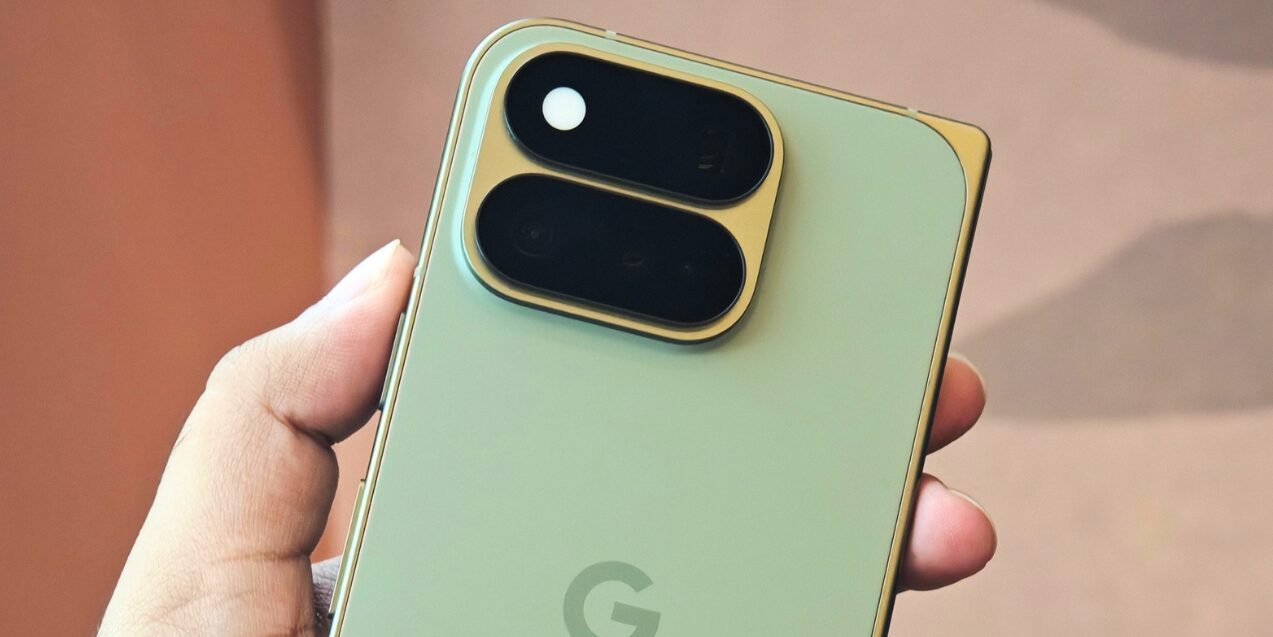
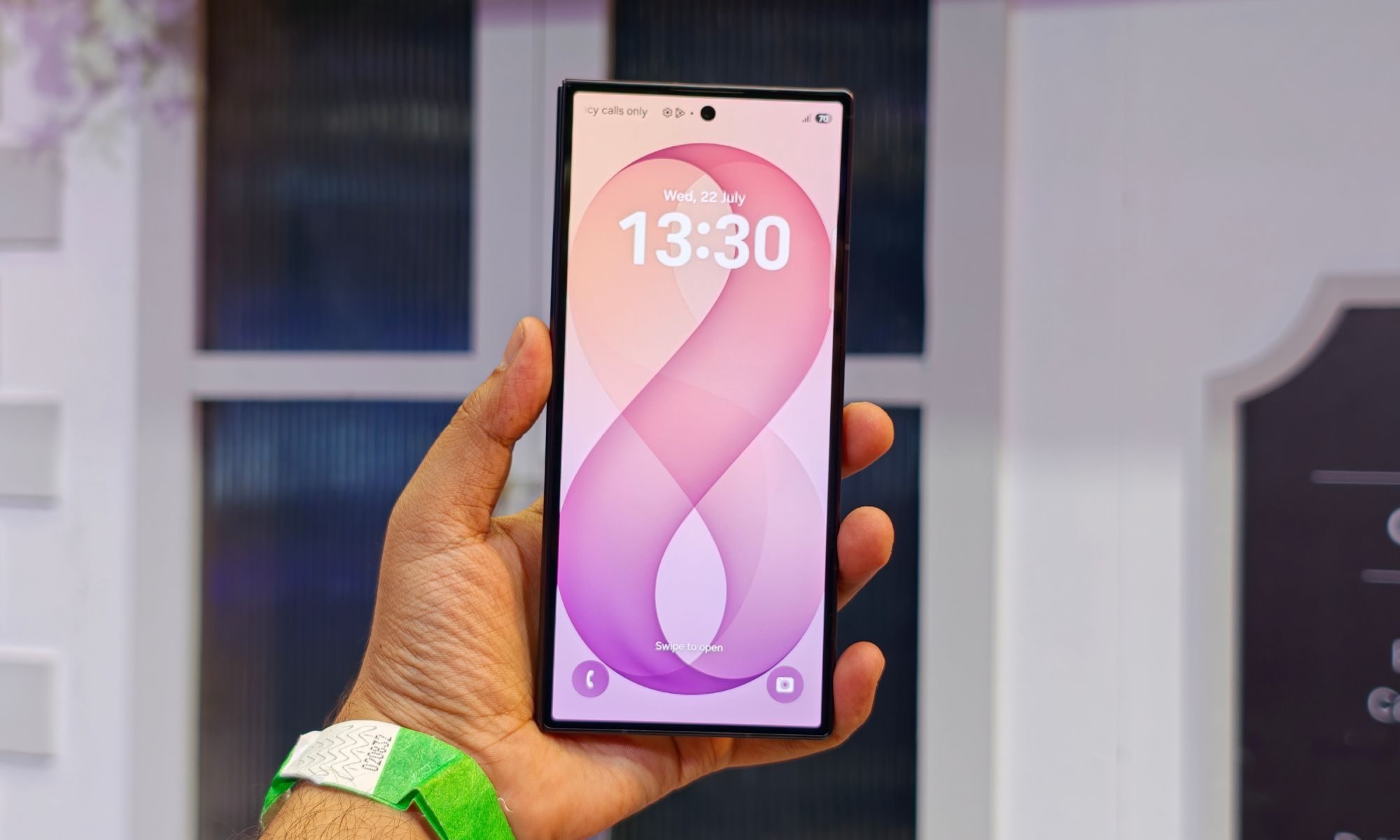
Google Pixel 11 Pro Fold vs. Galaxy Z Fold 8 Ultra: Specs at a glance
| Pixel 11 Pro Fold | Galaxy Z Fold 8 Ultra | |
| Price | ₹1,899 (16GB/256GB) | $2,100 (12GB/256GB) |
| Weight / Thickness (folded) | 239g / 10.1mm | 215g / 8.9mm |
| Build | IP68 dust and water resistance (up to 1.5m for 30 minutes) | IP48 dust and water resistance (dust > 1mm; up to 1.5m for 30 minutes) |
| Cover display | 6.5″, Super Actua OLED, 1080 x 2342 (399 ppi), 120Hz, up to 3,600 nits peak | 6.5″, Dynamic AMOLED 2X, 1080 x 2520 (422 ppi), 120Hz, up to 3,000 nits peak |
| Inner display | 8″, Super Actua Flex OLED, 2076 x 2152 (372 ppi), 120Hz, up to 3,600 nits peak | 8″, Dynamic AMOLED 2X, 2256 x 2504 (422 ppi), 120Hz, up to 3,000 nits peak |
| Chipset | Google Tensor G6 + Titan M3 | Snapdragon 8 Elite Gen 5 for Galaxy |
| RAM / Storage | 16GB/256GB, 16GB/512GB | 12GB/256GB, 12GB/512GB, 16GB/1TB |
| Rear cameras | 48MP wide (f/1.7, 1/1.56”) + 10.5MP ultrawide (f/2.2, 1/3.4″) + 10.8MP 5x telephoto (f/3.1, 1/3.2″) | 200MP wide (f/1.7, 1/1.3″) + 50MP ultrawide (f/1.9, 1/2.5″) + 10MP 3x telephoto (f/2.4, 1/3.94″) |
| Selfie / inner camera | 10MP PDAF, both cover and inner | 10MP fixed-focus, both cover and inner |
| Battery | 4,806 mAh, 30W wired (50% in 30 min), 25W wireless | 5,000 mAh, 45W wired (67% in 30 min), 20W wireless |
| OS | Android 17, 7 years of OS, security, and Pixel Drop updates | Android 17 (One UI 9), 7 years of OS updates |
What does the Pixel 11 Pro Fold do better?
Design and display
I’ll start with the spec I think matters most and gets buried least: IP68. Google’s foldable can survive full submersion, not just splashes, which is a genuine engineering feat on a hinge-based device, and one Samsung still hasn’t matched on this generation of Fold. For a foldable, it directly addresses one of the biggest durability compromises.
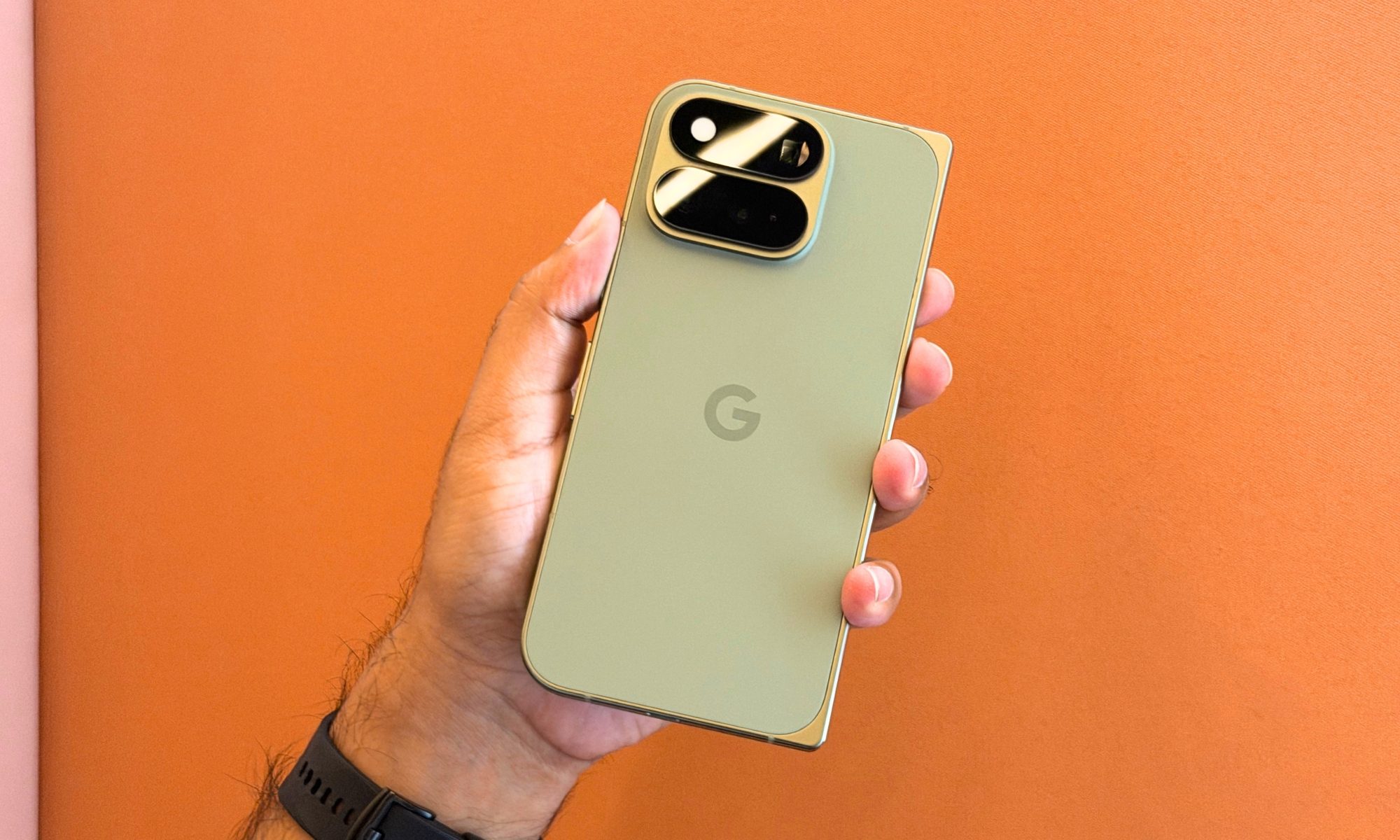
Second, it features brighter cover and inner displays that improve visibility both indoors and outdoors, especially under direct sunlight. The Pixel 11 Pro Fold also has the new HiLight RGB light built around the LED flash. It could have been a great addition had Google explored its true potential, but for now, it remains a novelty.
Memory
RAM is where Google quietly wins the value argument. Every Pixel 11 Pro Fold configuration, either the baseline 256GB, or the 512GB and 1TB, ships with 16GB of RAM. That gives you the flexibility to add and retain at least a couple more apps in memory, and your device would experience less multitasking bottleneck.
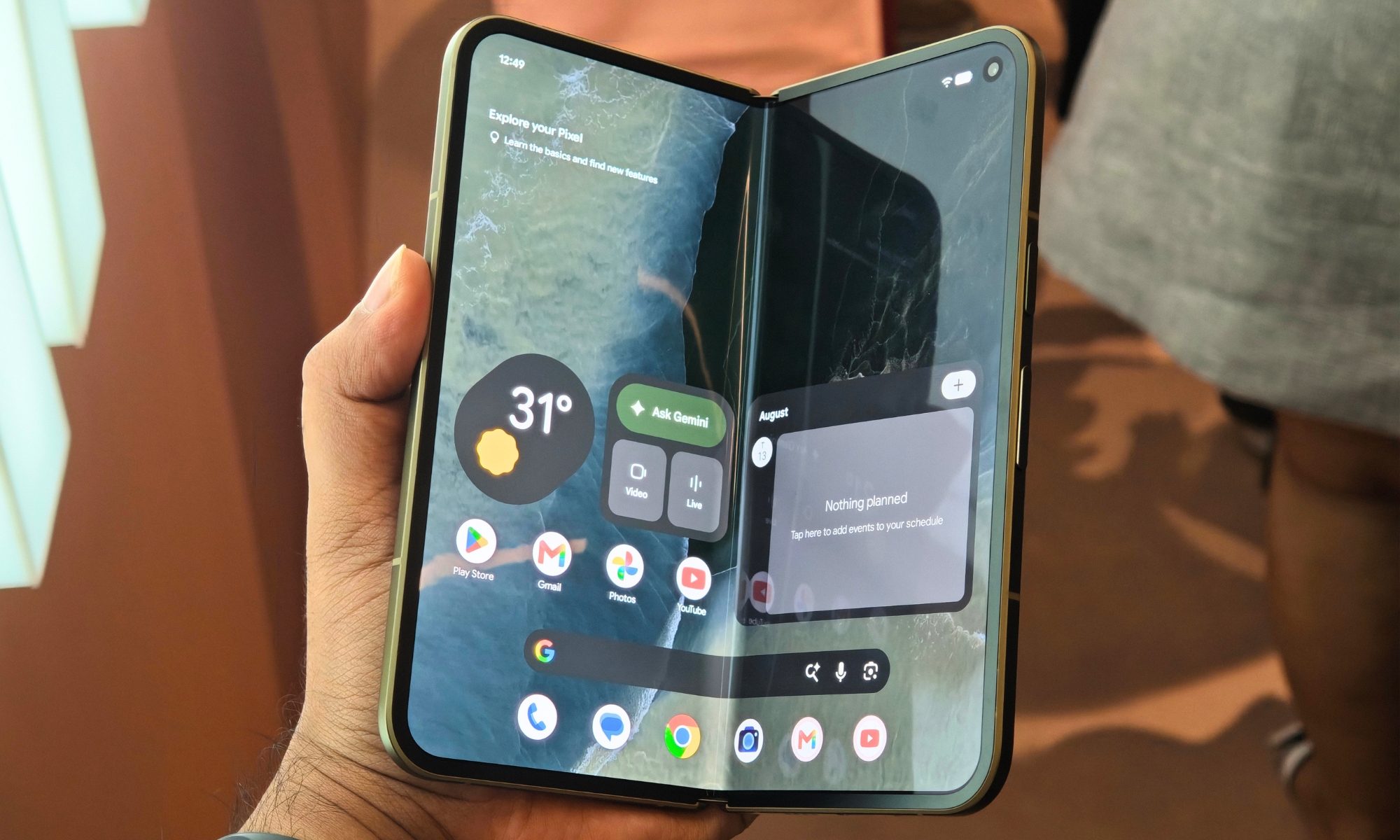
Samsung’s baseline Fold 8 Ultra starts at 12GB, and you only reach 16GB by stepping up to the pricier 1TB storage tier.
Cameras
Despite its lower megapixel count, the Pixel 11 Pro Fold’s telephoto camera deserves a closer look. Google’s 10.8MP lens sits on a 1/3.2-inch sensor and stretches to a native 5x optical zoom. In other words, it’s larger than the Fold 8 Ultra’s telephoto sensor and provides a longer optical zoom range.
And both of Google’s selfie and inner cameras use Dual PD autofocus, while Samsung’s equivalent cameras on the Fold 8 Ultra are fixed-focus.
Stock Android experience
Apart from the regular Android 17 features, Pixel 11 Pro Fold brings several software-level optimizations designed specifically for its larger inner screen. These include optimized floating Bubbles, a two-app split-screen, drag-and-drop functionality, app pairs, Instant View, and Flex Layouts.
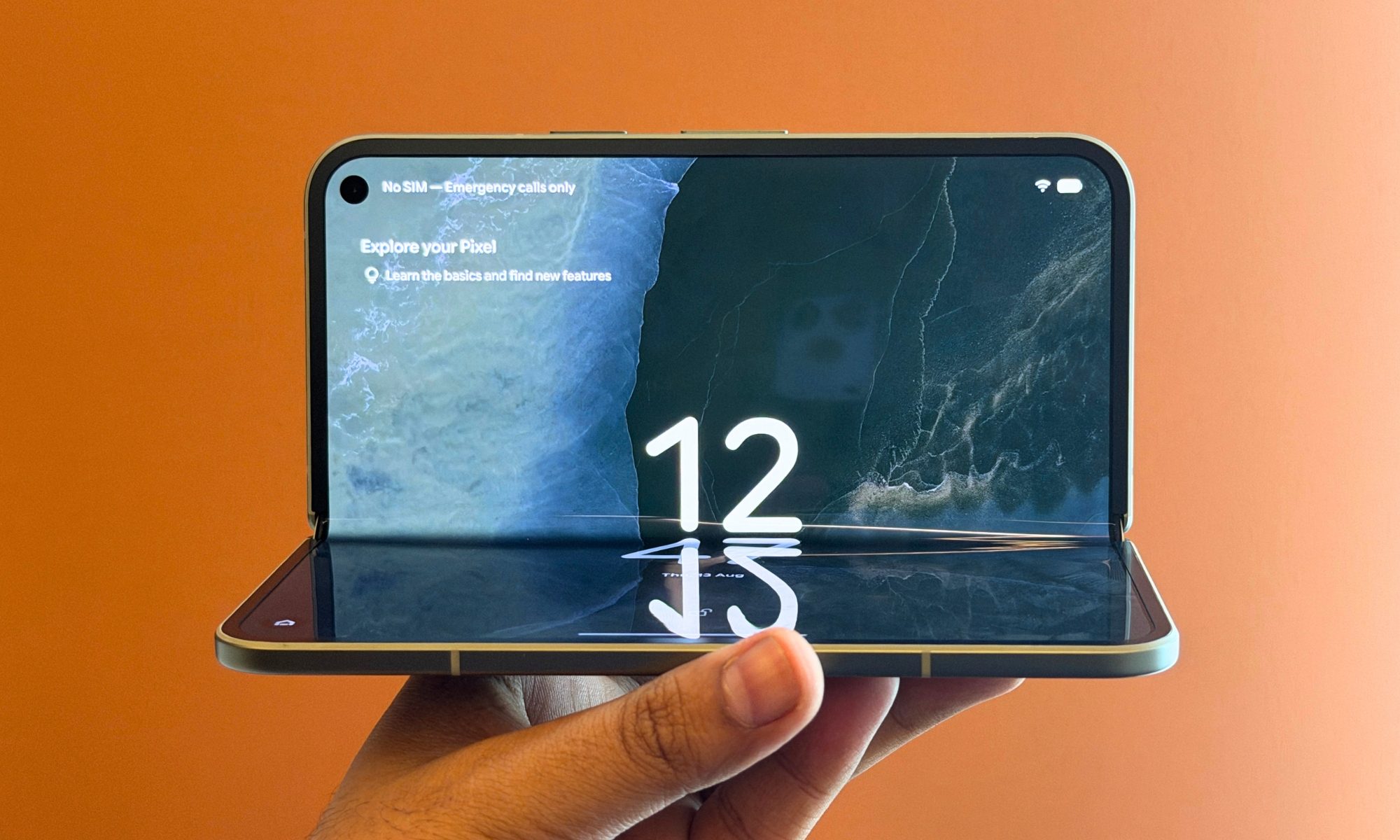
Apart from that, the Fold also gets Magic Cue for contextual suggestions, Gemini Intelligence for automated task delegation, Rambler voice input, Magic Capture for camera, and Sign-Language-to-Text (SL2T) for translating sign language into written text. Combined with a stock Android experience, these features give Google’s foldable a distinct software identity.
Where the Fold 8 Ultra redeems itself
Design
Samsung’s advantage announces itself the moment you hold the phone. At 215 grams and 8.9mm thick (when folded), the Fold 8 Ultra is 24 grams lighter and over a millimeter slimmer than the Pixel when closed. On a device this large, that gap is impossible to ignore every day.
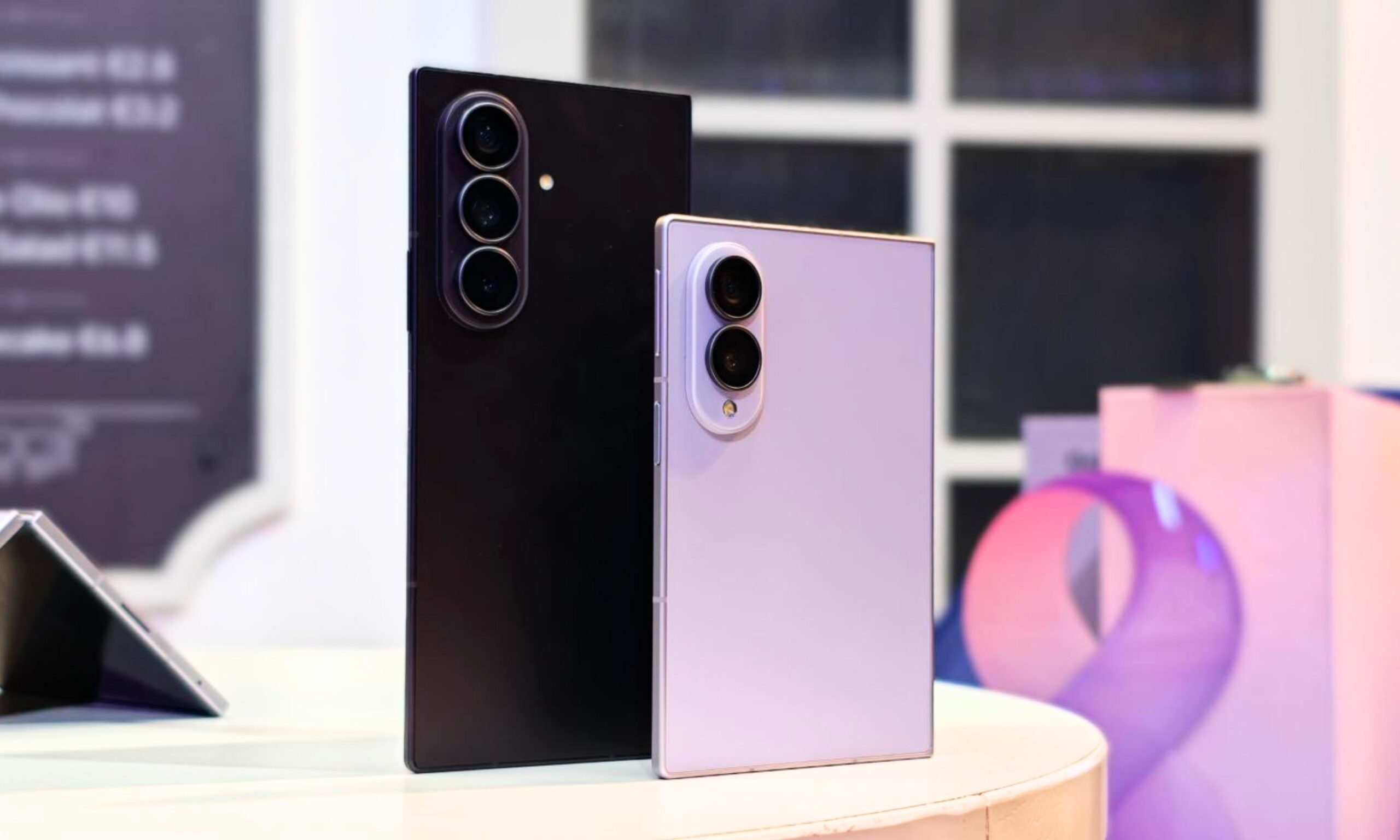
Performance
Under the hood, Samsung’s Snapdragon 8 Elite Gen 5 for Galaxy, paired with the Adreno 840 GPU, is built to handle just about everything you can throw at a smartphone. While the Tensor G6 is optimized for on-device machine learning, Qualcomm’s silicon is the one you want for sustained gaming sessions and GPU-heavy multitasking.
Cameras
If you’re into cameras, the 200MP main sensor should deliver more detailed photos and greater cropping flexibility. The Fold 8 Ultra also pulls ahead with its 50MP ultrawide camera, keeping the detail and quality consistent across main and ultrawide cameras.
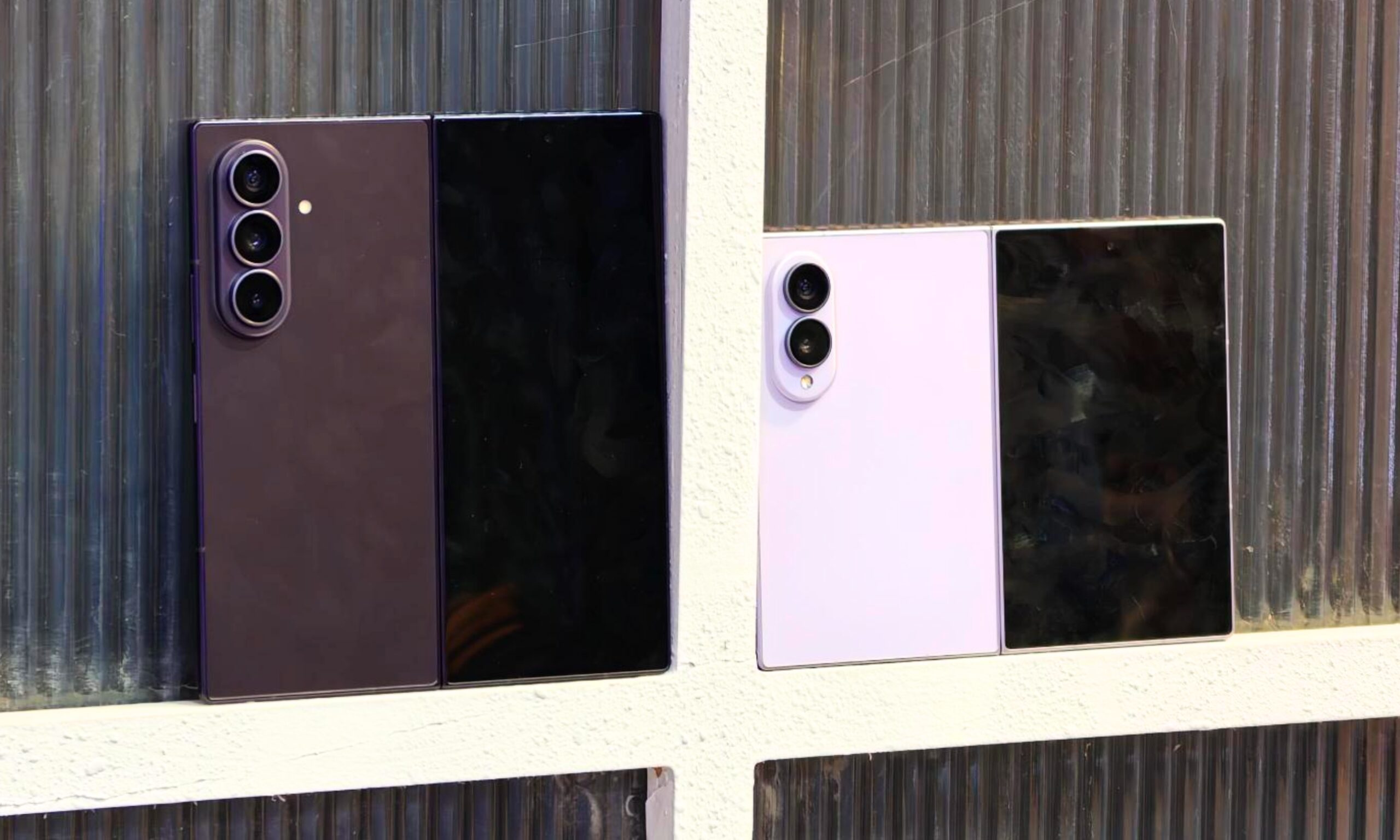
Further, the wider 10MP selfie camera on the inner screen should let you fit more people in the frame. It might not be useful on a daily basis, but for that once-a-week hangout with friends or family, it does the trick.
Battery and charging
If you’re someone who doesn’t like waiting for your phone to charge to 100%, the Fold 8 Ultra is the better choice for you. At 45W wired, Samsung claims 67% in 30 minutes, comfortably ahead of Google’s 30W and 50% in the same window. On a phone with a 5,000 mAh battery, that faster top-up matters more than it would on a slab phone.
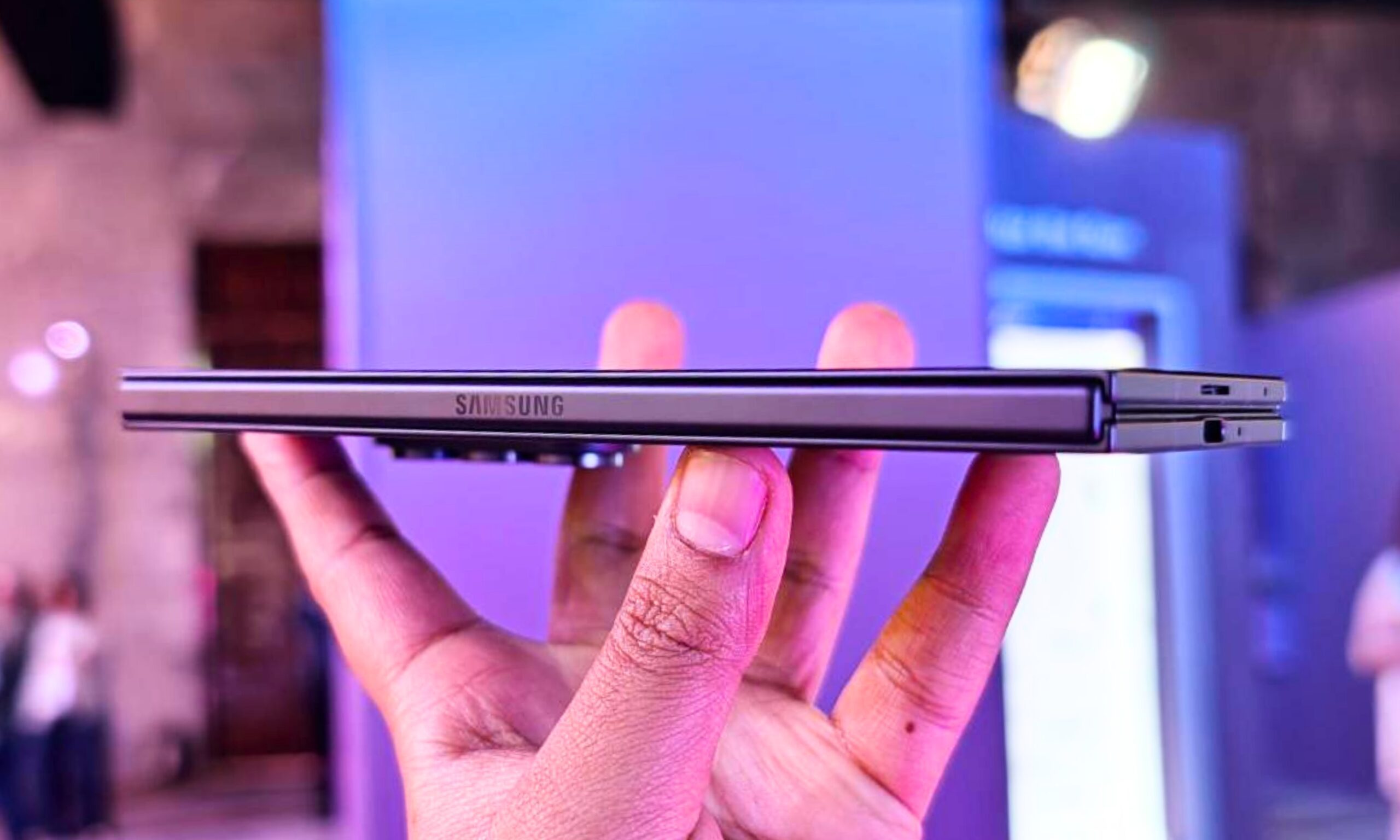
However, even in 2026, Samsung isn’t embracing native magnetic wireless charging, and it just doesn’t make sense for me. Neither the Fold 8 Ultra nor the S26 Ultra or any phone in the company’s 2026 lineup gets it. Pixel 11 Pro Fold, on the other hand, sports Pixelsnap charging, which supports 25W, as opposed to Ultra’s 20W.
One UI
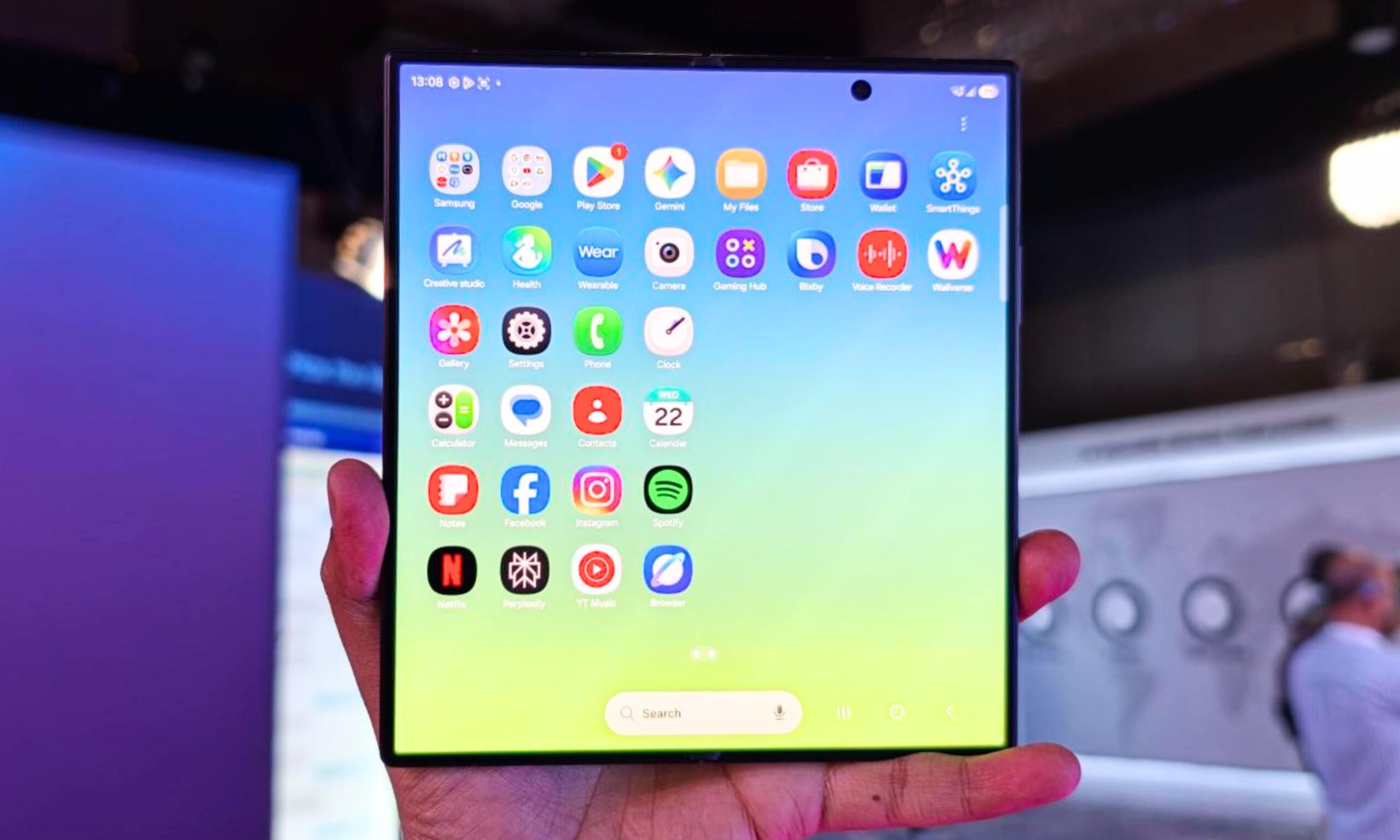
In my opinion, One UI 9 makes the strongest case for the Fold 8 Ultra as a productivity device. Two-way and three-way split view, a persistent Taskbar, app pairs that reopen your favorite combinations in one tap, and Now Nudge suggesting your next move in context. Google has nothing that replicates Samsung DeX today, another clear edge of choosing the Ultra.
Which one should you choose?
To me, the Pixel 11 Pro Fold sounds like the safer bet. It is genuinely water-resistant, brighter under the sun, and backed by Gemini features that keep getting smarter with quarterly Pixel Drops. Further, it’s also the more economical choice of the two; choosing the Pixel 11 Pro Fold will save you $200 upfront. If durability and AI depth matter more to you than raw multitasking muscle, buy the Pixel.
The Galaxy Z Fold 8 Ultra is for those who value physical refinement and productivity over everything else. It is lighter in hand, charges faster, provides top-tier smartphone performance, and is the only one of the two that can replace a laptop on the go. If you don’t mind spending over $2,000 on a foldable and value One UI over stock Android, you can’t go wrong with the Fold 8 Ultra.
