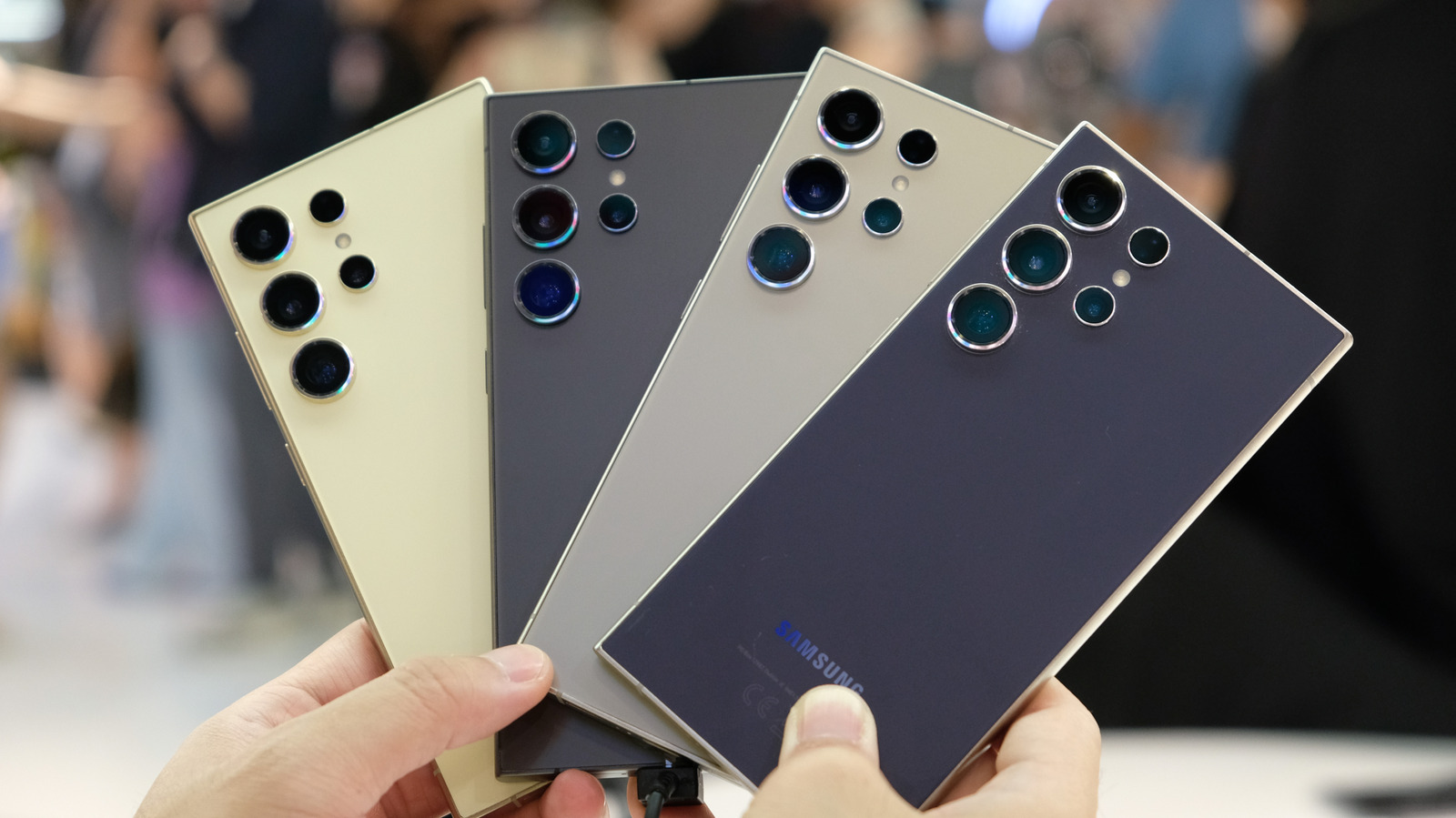
Why Did Samsung Stop Using Titanium On Its Flagship Phones?
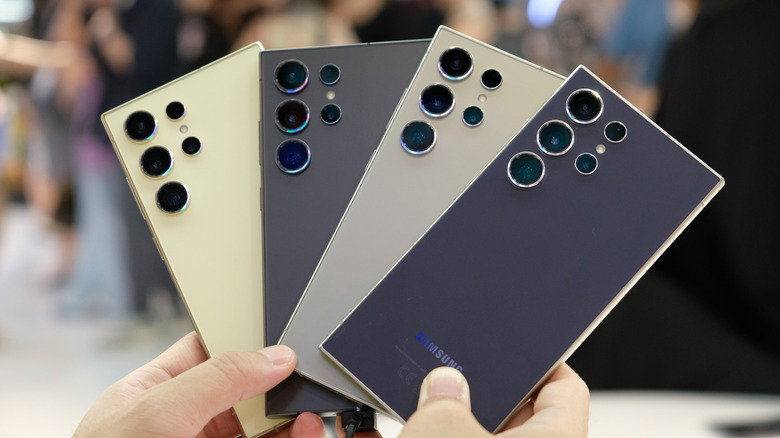
If you’ve been paying attention to Samsung’s smartphone releases over the past few years, you might have picked up on the fact that the changes have mostly been incremental. Apart from regular spec bumps and very few camera tweaks, the Galaxy S range of smartphones hasn’t changed much. In fact, Samsung dropped support for Bluetooth functionality on the Galaxy S25 Ultra’s S Pen. Then, in 2026, the Galaxy S26 Ultra ditched titanium, which was used on the previous two generations of Samsung’s flagship device.
The Galaxy S26 Ultra now features an “Armor Aluminum” frame, as Samsung calls it. Technically, titanium is the superior metal since it’s more durable, so why would Samsung go back to aluminum after spending two generations marketing the more premium material? The answer is likely just cost. Titanium is harder to machine — especially when you consider how smartphone manufacturers have streamlined their production lines around aluminum frames over the years.
Also, Samsung may not say it, but the whole “we have titanium in our phones” marketing angle was likely just that — a marketing angle. It’s not a coincidence that Samsung started using titanium in its phones merely months after the iPhone shipped with a titanium frame too. As soon as Apple stopped using titanium for its phones, Samsung followed suit and returned to the more economical metal with the Galaxy S26 Ultra.
Aluminum remains the popular choice for smartphones
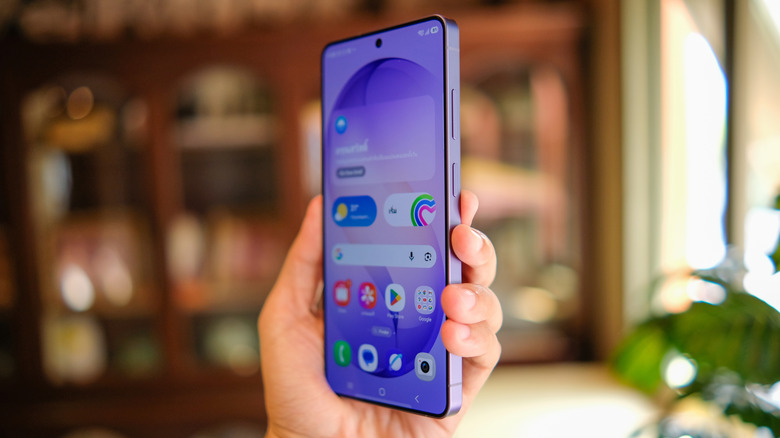
Although Apple ditched titanium for an aluminum unibody build for its iPhone 17 Pro series, it has continued to use the material in the iPhone Air’s frame. Samsung, too, used a titanium frame for its ultra-slim Galaxy S25 Edge that we reviewed, but we haven’t seen its successor yet to indicate whether the company plans to continue using titanium. When SamMobile reached out to the company for an explanation, Samsung said, “Armor Aluminum was the ideal material to support a thinner and lighter form factor without compromising Galaxy S26’s everyday durability.”
While the Galaxy S26 Ultra, at 7.9mm, is thinner than the 8.2mm Galaxy S25 Ultra, it isn’t that much lighter at 214 grams compared to 218 grams. However, aluminum does have the edge when it comes to thermal conductivity. The Snapdragon 8 Elite Gen 5 SoC that the Galaxy S26 Ultra packs in is a highly capable chipset, and if you’re planning to play graphically demanding games on it, the improved heat dissipation that aluminum offers could prove to be useful.
The Galaxy S26 Ultra is still protected by Corning’s Gorilla Armor 2 for its screen and Gorilla Glass Victus 2 for its back panel. You also get Ingress Protection for dust and water with an IP68 certification. In addition to its anti-reflective panel, Samsung introduced the new Privacy Display technology with its Galaxy S26 Ultra that keeps off-angle visibility to a minimum.
