Wind Turbine Vs. Windmill: What’s The Difference?
If you’re not familiar with the ways renewable energy can transform your home, you may not know the differences between wind turbines and windmills. After all, they appear to be similar enough in construction, so it’s logical to believe they do the same thing. However, there are some important factors that separate the two structures.
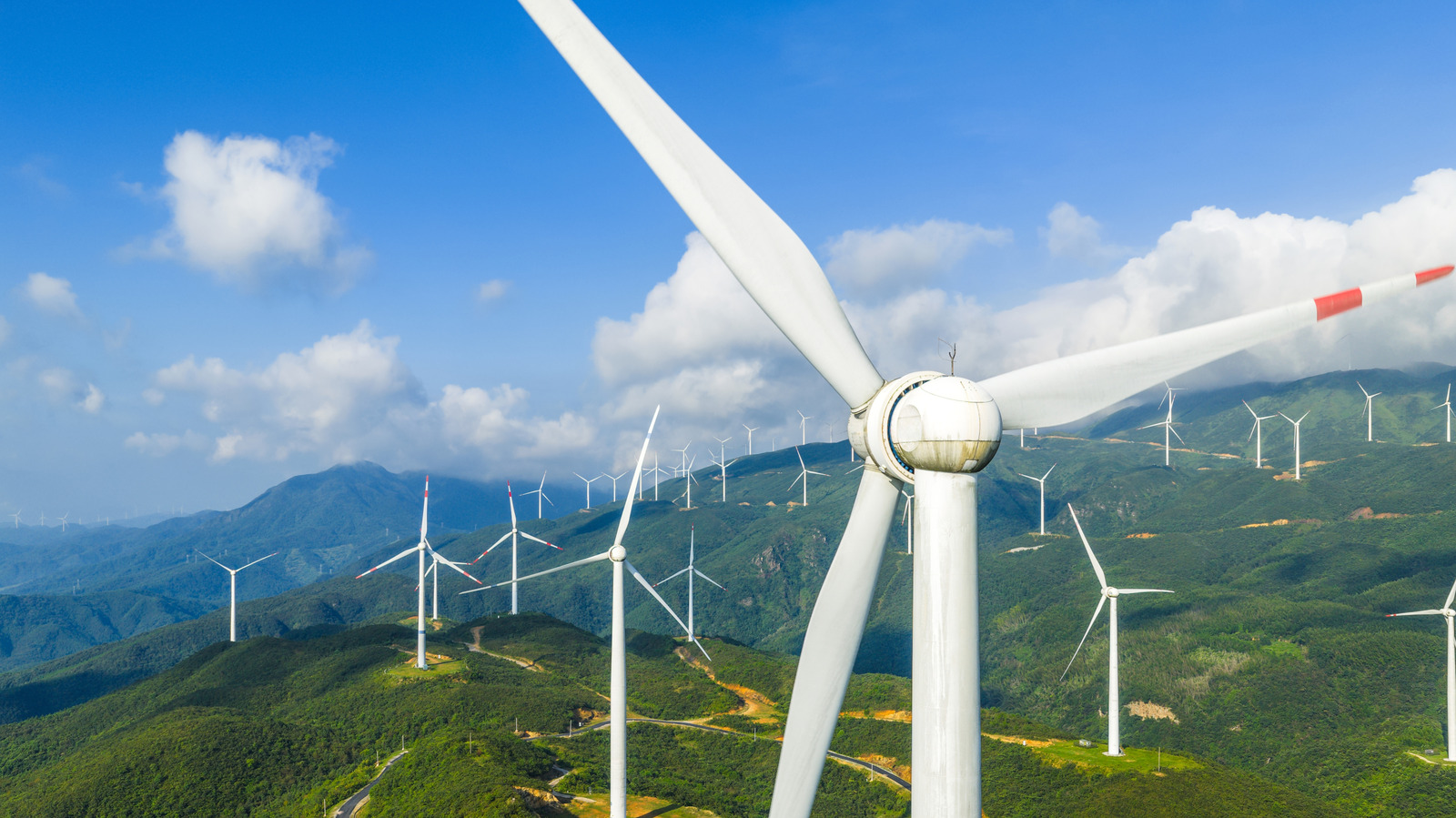
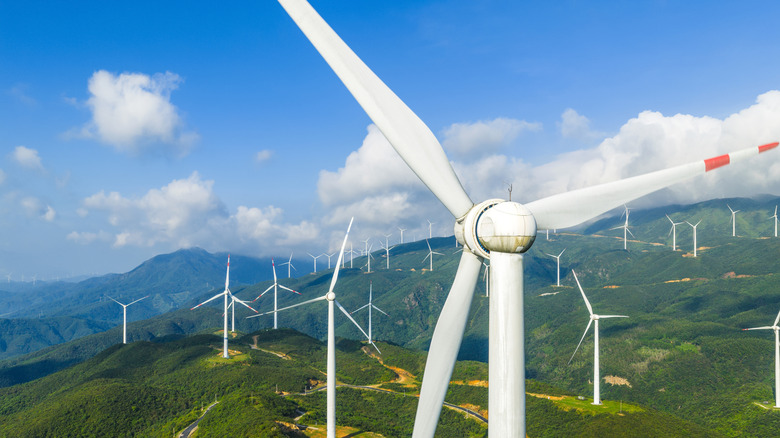
A wind turbine is a modern machine that converts the kinetic energy of moving air into electricity. This is possible through the use of large blades that connect to an internal generator. The end result is electricity that can be directed to residential homes or to the power grid itself. A windmill is a much older device that uses the same wind-driven motion to power specific tasks like grinding grain or pumping water. Though they both use spinning blades powered by wind, they are built for different purposes.
Because of their different designs, both structures typically operate in varied locations as well. Traditional windmills are generally used near farms, ranches, and other places where they provide power for necessary work. Due to their size, wind turbines usually need more room, which is why they’re often constructed in rural areas or remote locations. They can even be utilized in water, where they do a lot more than just generate energy.
From mechanical windmills to modern electricity
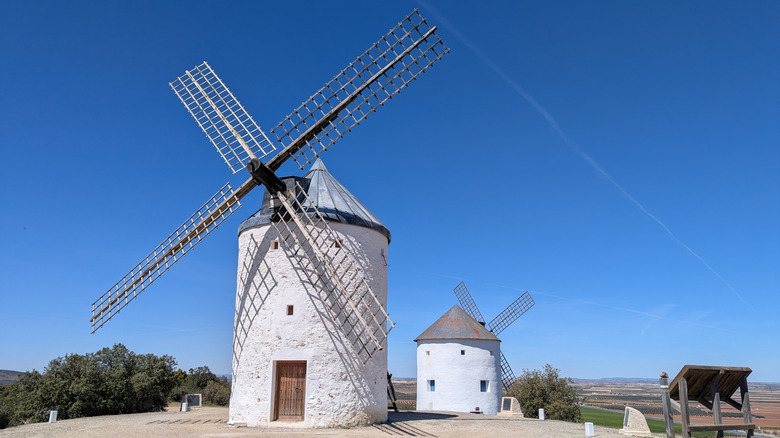
Wind turbines evolved from early windmill technology because windmills were not designed for electrical power generation. They also were not designed for connection to wider power systems that would eventually provide energy across the U.S. But thanks to wind turbines, which can last longer than you may think, wind-driven motion could be converted into usable electricity. A windmill’s basic design of rotating blades was still used, but it was improved over time. The blades became thinner and more aerodynamic to capture wind energy more efficiently.
A wind turbine’s method to generate electricity begins with the blades. As wind flows over the blades, lift is created, causing the rotor to spin. This rotation is then transferred through the turbine’s shaft, sometimes with the help of a gearbox that increases rotating speed. The spinning shaft then drives a generator, which converts this mechanical motion into electrical energy. The electricity produced from this process can then be fed directly into the power grid.
Traditional windmills are still being used in rural areas for mechanical tasks like pumping water. But wind turbines have become a major part of a growing energy system. That’s because the total amount of renewable wind energy is enormous, especially when comparing that energy’s potential to electricity demand today. As wind turbine technology continues to improve, overall energy production potential continues to increase. According to the Center for Sustainable Systems, 11% of electricity used in the United States came from wind in 2024.
