Mazda’s New Infotainment Finally Fixes Years Of Complaints (But I Can’t Say It’s Perfect)
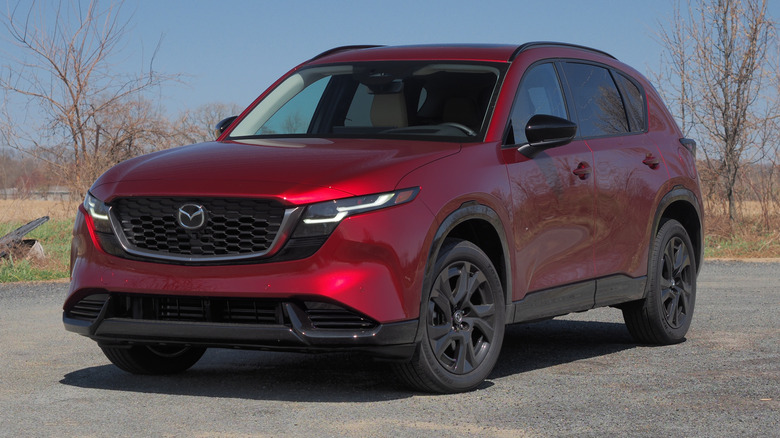
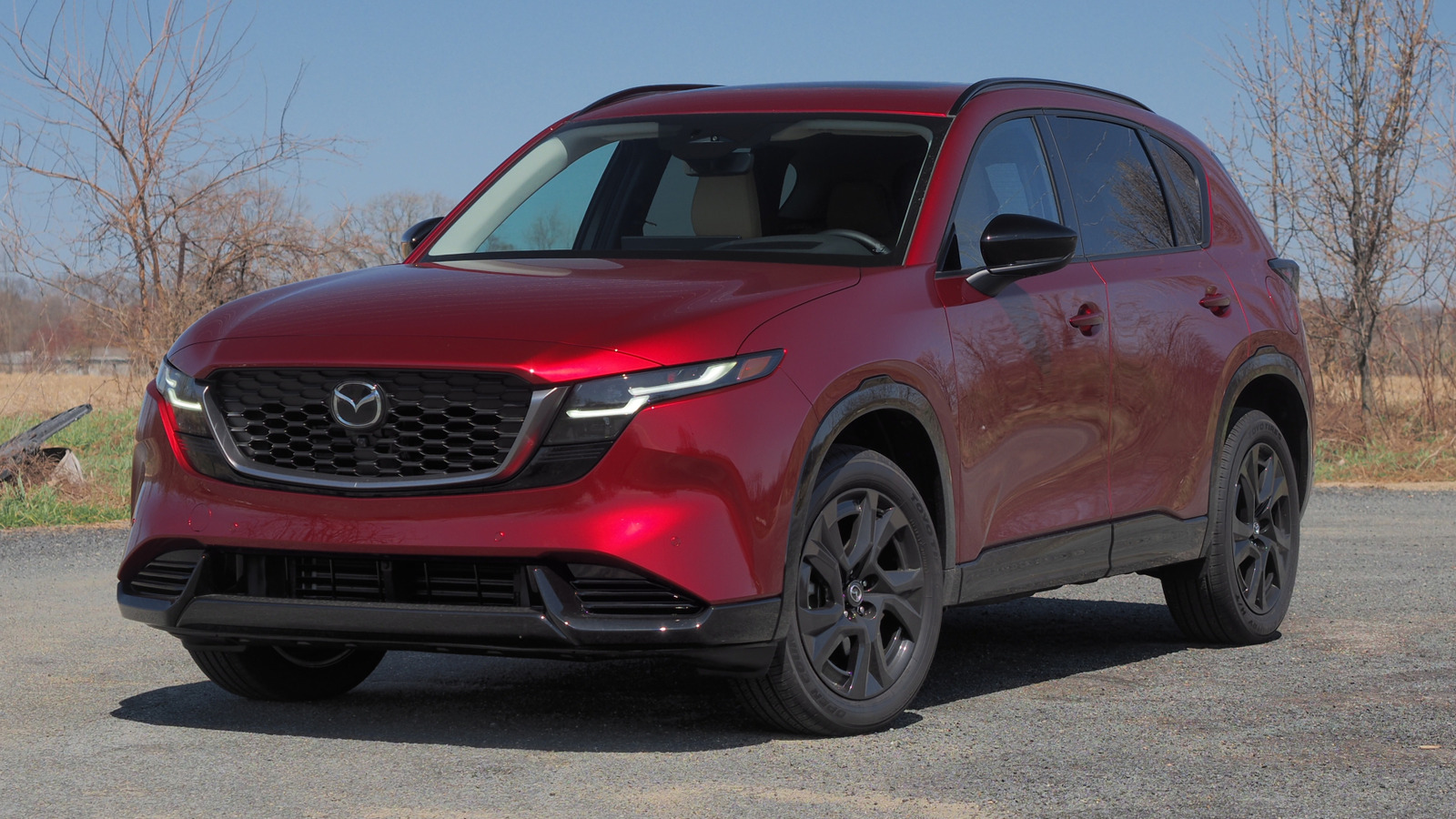
The 2026 Mazda CX-5 is bigger, looks more striking, and yet still starts under $30,000 — albeit before destination fees and taxes — but it’s the dashboard where arguably the most important changes are to be found. For years, now, the Japanese automaker has found itself at odds with drivers used to reaching out and touching their infotainment screens. Mazda’s staunch opposition to such things has felt increasingly obstinate.
Indeed, compared to the ever-growing displays in rival SUVs, the old CX-5’s looked like a throwback. While its 10.25-inch measurement wasn’t small on paper, its shape — wide and shallow — left it looking tiny compared to the dash-dominating panels common in other cars.
 Chris Davies/SlashGear
Mazda had solid reasoning for its reticence around touchscreens. Safe infotainment meant limiting the time your eyes were off the road, the automaker’s argument went, which suggested positioning the display high up on the dashboard made most sense. The distant stretch for your hand to actually tap a touchscreen positioned there, though, would be another ergonomic flaw.
Farewell, annoying little click wheel
That led to the little-loved scroll wheel in the center console, which also doubled as a joystick. With that, Mazda drivers could click or scroll through the UI: workable, when using the automaker’s own interface, but far less agreeable when trying to navigate Apple CarPlay or Android Auto.
More recent Mazda models added a touchscreen and an option — buried in the settings — to allow touch with smartphone projection even when the vehicle was in motion. Disabled by default, though, and still not compatible with the native interface, it always felt like a fudge.
 Chris Davies/SlashGear
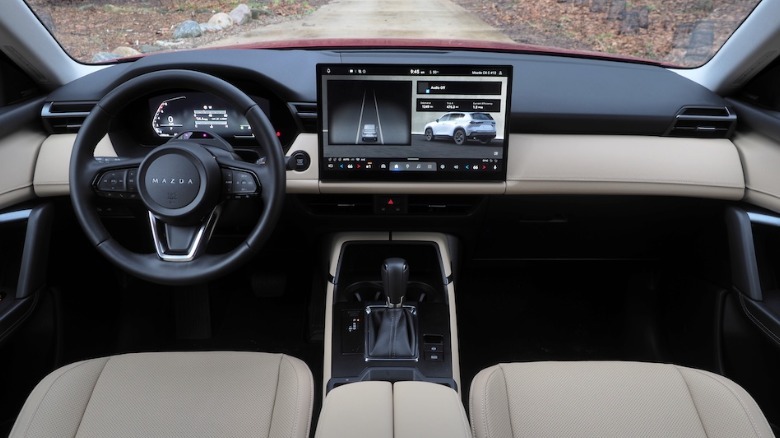
The 2026 CX-5 sweeps that hodgepodge into the trash, this latest-gen version of Mazda Connect finally embracing the touchscreen-first approach that rivals adopted years ago. It’s arguably the most distinctive change in the new SUV — which also gets an exterior refresh and new dynamics tuning, which you can read about in full in our first drive report — which now starts at $31,485 when you include the $1,495 destination fee.
Big screens, tiny icons
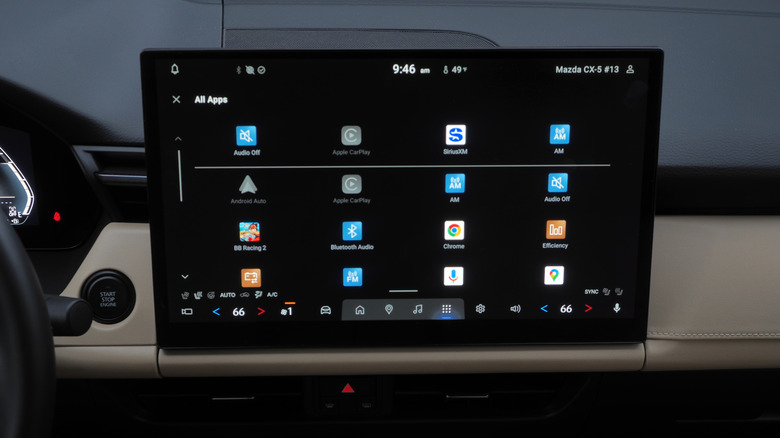
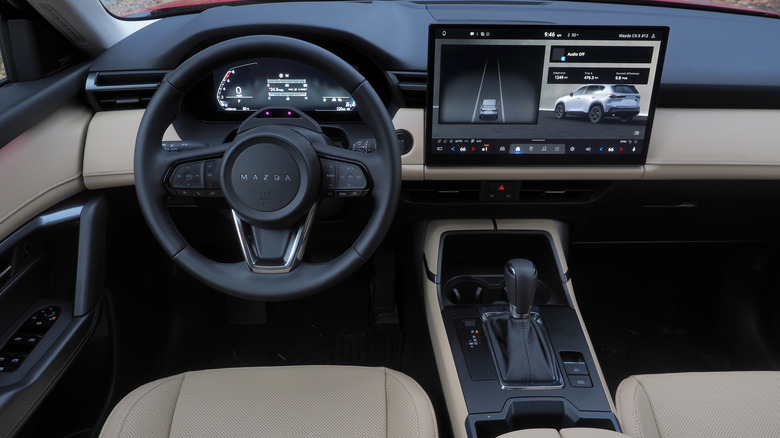
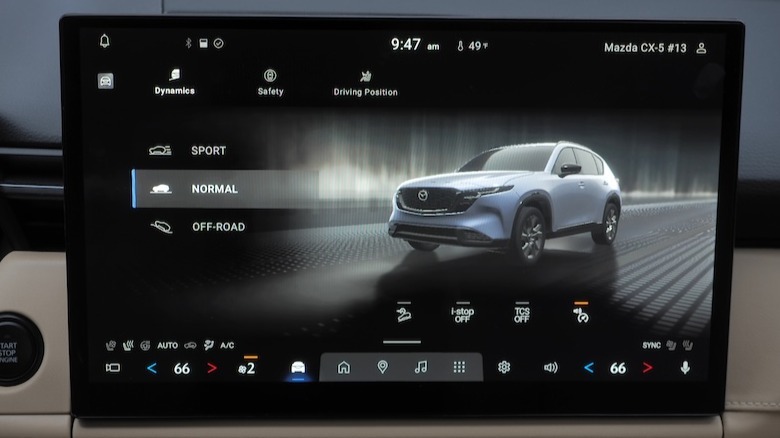
Flush with the thrill of fresh gadgetry, Mazda has perhaps been too eager with its new infotainment system. The huge touchscreen — 12.9-inches on most trims, but a whopping 15.6-inches on the flagship S Premium Plus shown here — is expansive and crisp, but many of the most frequently-used controls are either oddly small or demand at least two taps to interact with.
 Chris Davies/SlashGear
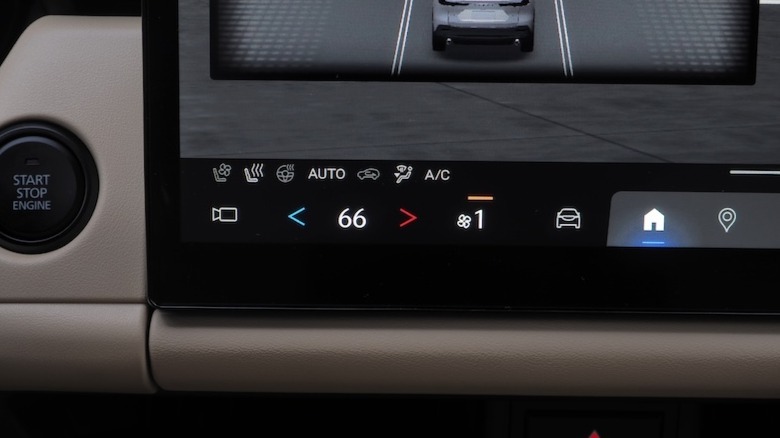
There’s more than enough space for a fulsome climate control section, for example, but only the basics of temperature and fan speed are permanently shown. Adjustment of everything else — including seat and steering wheel temperature — demands pulling up a separate submenu first. Even seeing whether, say, the heated seats are active requires squinting: the icons are tiny, and their status distinguished in different shades of gray.
 Chris Davies/SlashGear
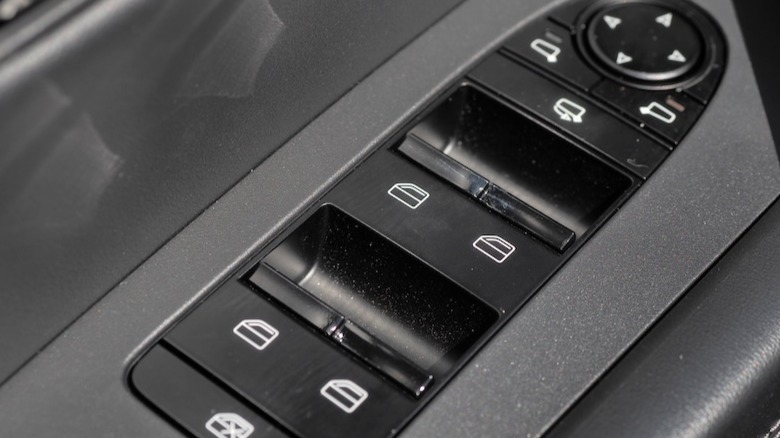
It’s not the only ergonomic oddity. The power window switches look normal but only the very tip of each actually moves, adding a needless degree of dexterity to opening and closing them. Where the previous-gen CX-5 had a dedicated button to disable auto start/stop — which Mazda calls “i-stop” — this new version puts that in an onscreen submenu.
Mazda’s once again swimming against the flow
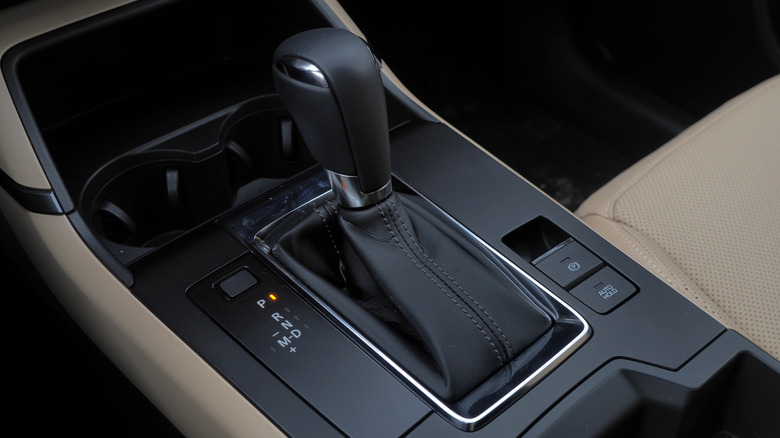
It’s ironic, really, because many automakers now seem to be going in the opposite direction to Mazda — and in fact back to where the Japanese automaker is itself coming from. Say what you liked about Mazda’s old infotainment system, but at least you got a physical volume knob in the center console. That, too, is now handled by an on-screen control in the 2026 CX-5.
 Chris Davies/SlashGear
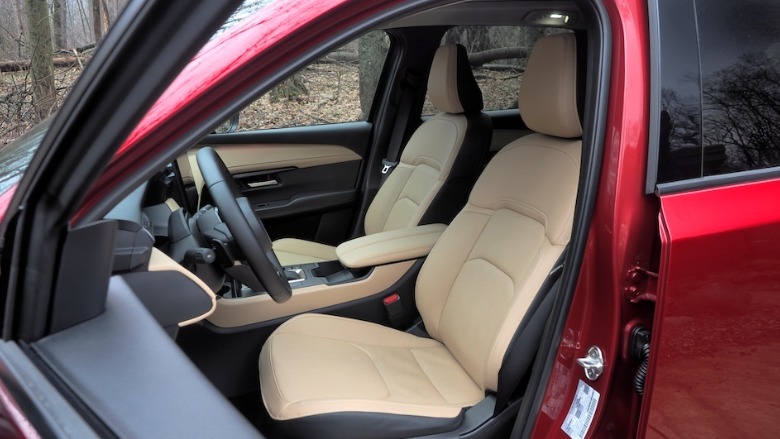
Yet at the same time, Mazda hasn’t gone the whole hog. There’s still a physical transmission shifter, for example, where rivals have transitioned to space-saving buttons and an uptick in useful center console storage.
 Chris Davies/SlashGear
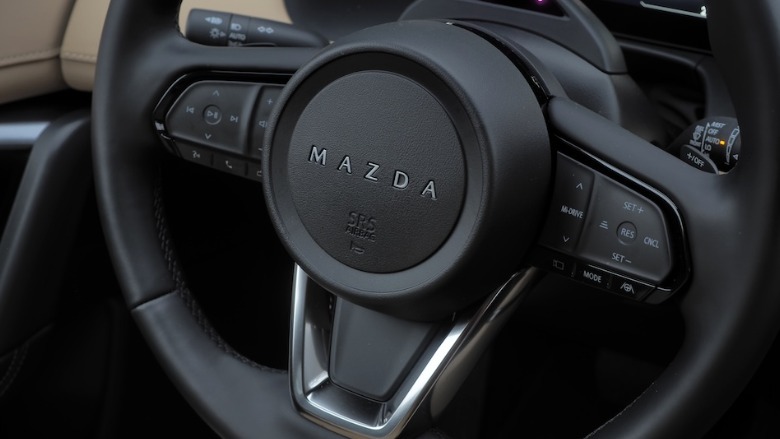
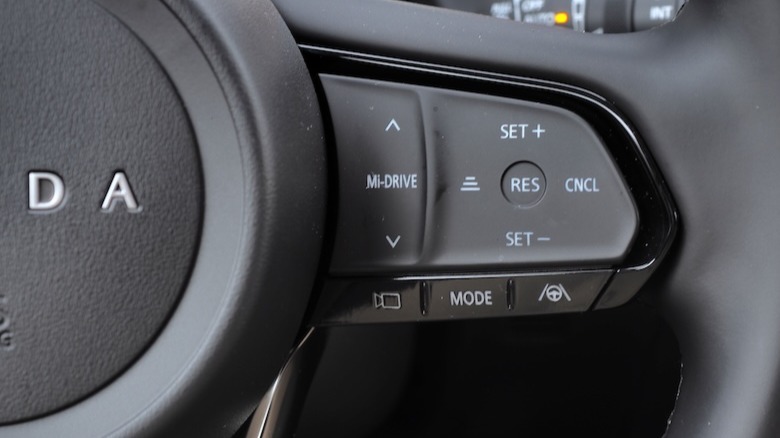
Still, some decisions here make a lot of sense. The shortcut button to summon the CX-5’s exterior cameras is cleverly placed on the steering wheel, perfect for a quick check in tight spots. Similarly successful, the switch to move through drive modes is now on the wheel, too.
The 2026 CX-5 sweet-spot
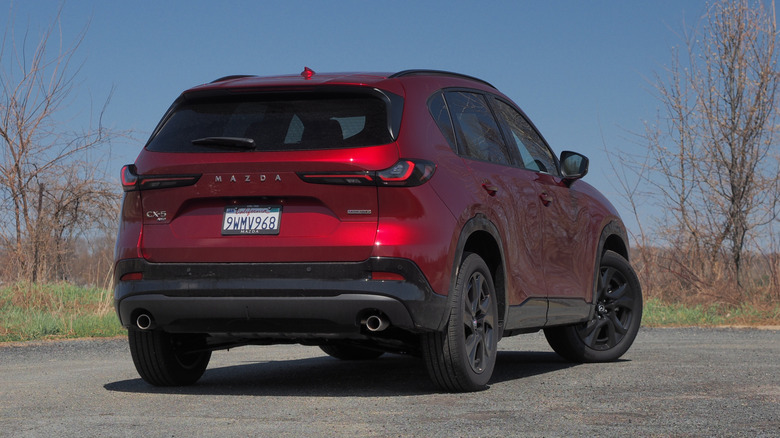
Overall, the changes here are an improvement compared to Mazda’s old system. “Drives well, you just have to suffer the infotainment” was a regular refrain for the automaker’s cars, notorious for their dynamic success and their digital shortcomings. The 2026 CX-5 feels far more modern than its pre-refresh predecessor, even if it’s not a clean sweep.
The sweet spot for those on a budget is likely the CX-5 2.5 S Select trim (from $33,485 including destination). That gets the 12.9-inch touchscreen — which is amply sized — along with the wireless smartphone projection and wireless phone charger that the base model misses out on. You’ll pay almost $5k more for the 12-speaker Bose audio upgrade on the 2.5 S Premium (which, admittedly, also comes with a head-up display and other niceties like leather upholstery and ventilated front seats).
 Chris Davies/SlashGear
With its Google built-in underpinnings, finessing some of the onscreen annoyances of the new Mazda Connect shouldn’t be too great a challenge for automaker. Adding back the absent hardware controls, though, will have to wait for the CX-5’s next refresh.
