Your iPhone X is obsolete now, and so is your MacBook Pro
The iPhone X and 15-inch 2018 MacBook Pro have officially joined Apple’s obsolete products list, marking the end of official hardware service for two devices that once represented the company’s future.
Apple updated its support listings to move both products from its vintage category to obsolete. That distinction matters because once a device becomes obsolete, Apple discontinues hardware service for it, while authorized service providers can no longer order parts through Apple.
For the iPhone X, the timing feels particularly significant. Launched in 2017, it introduced the design language that would define Apple’s iPhone lineup for years, including Face ID and the notch. Nearly a decade later, Apple has officially stopped treating it as a product worth maintaining.
The 15-inch 2018 MacBook Pro gets the same treatment, although its software life has lasted considerably longer. The 13-inch variant was already sitting on the obsolete list, thanks to Apple, which dunked it down back in 2024.
Your old Apple device will still work, but repairs are another story
The important thing to understand is that obsolete does not mean unusable. If you have an iPhone X or 2018 MacBook Pro sitting on your desk, Apple isn’t remotely switching it off. The change mainly affects what happens when the hardware needs attention.
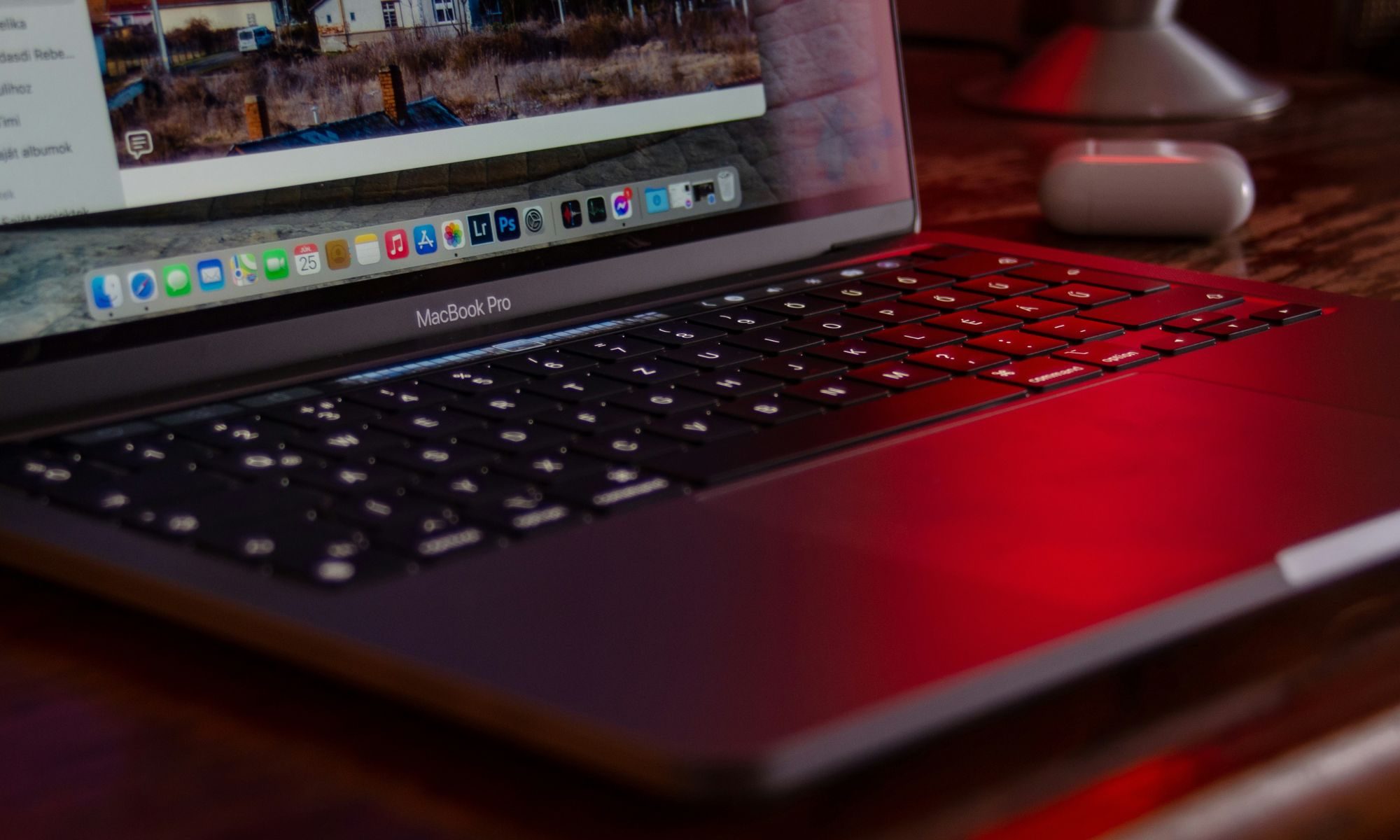
Apple says products generally become obsolete more than seven years after the company stops distributing them for sale, although the exact timing is ultimately determined by Apple. Before reaching that stage, products can remain on the vintage list, where service is available while parts are still obtainable.
The software situation is already fairly clear. The iPhone X did not receive iOS 17, making iOS 16 its final major software release, with the phone currently topping out at iOS 16.7.16. The 2018 MacBook Pro, meanwhile, is limited to macOS Sequoia, with macOS 15.7.7 listed as the latest version for the machine.
This is more important if you’re still relying on one
For most owners, nothing changes overnight. Your iPhone X will still turn on, your MacBook Pro will still run, and neither device suddenly becomes a paperweight because Apple updated a support page.
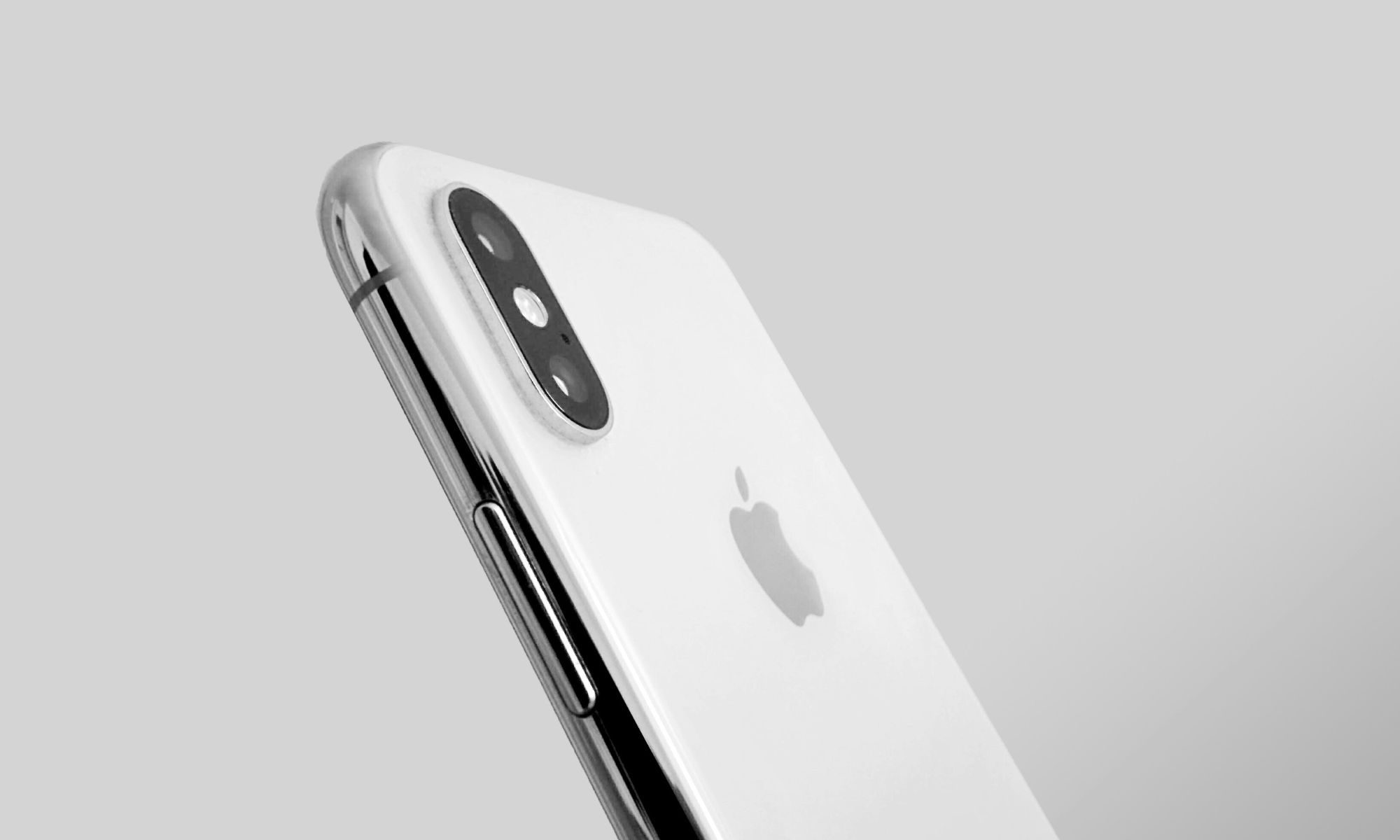
The bigger concern is the next hardware failure. A worn battery, damaged display or failing component could become considerably harder to repair through official channels now that Apple no longer provides hardware service for these models. Apple notes that service may sometimes be extended for products for up to 10 years, depending on parts availability and other circumstances, but owners shouldn’t treat that as guaranteed.
For anyone still happily using an iPhone X or 2018 MacBook Pro, there is no urgent reason to replace it simply because Apple has changed its classification. But if the battery is already struggling or you’ve been putting off a repair, this is probably a good time to stop assuming Apple will always be there to fix it.
